
YOUR SKIN BARRIER: THE HERO OF HEALTHY SKIN
Janine Mendes-Franco
(And how to save it when it’s under attack)
If your skin has suddenly become sensitive, tight, dull, or prone to breakouts and irritation, there’s a strong chance your skin barrier has been compromised. In clinic, we often see this with patients who take great care of their skin, but have unknowingly overdone it.
So what is the barrier anyway, how does it get damaged, and most importantly, how do we get our skin’s superhero strong enough to protect us again?
Barrier basics

Think of the barrier as a wall around the fortress of your skin. When it’s intact, it keeps moisture in and keeps irritants, allergens, and bacteria out. The result? A healthy, balanced microbiome.
When it’s damaged, you may notice:
Certain products begin to sting or burn
Sudden dryness or flaking
Redness, inflammation or the appearance of acne
Increased sun sensitivity
Bad guys of the barrier
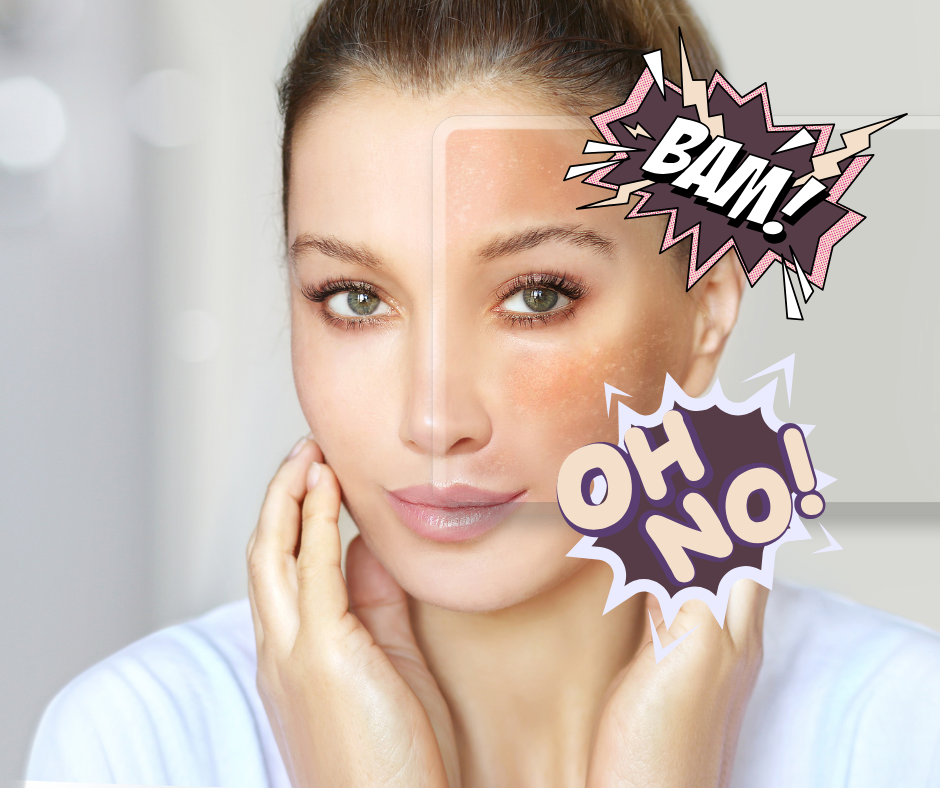
In our experience, the biggest culprits tend to be:
Harsh cleansers
Overdoing it with both cleansers and exfoliation products (acids, scrubs, peels, or retinoids used too often and/or aggressively)
Skipping moisturisers
Environmental factors like sun and pollution
Frequent product switching (“skin-cycling” gone awry)
Barrier boosts
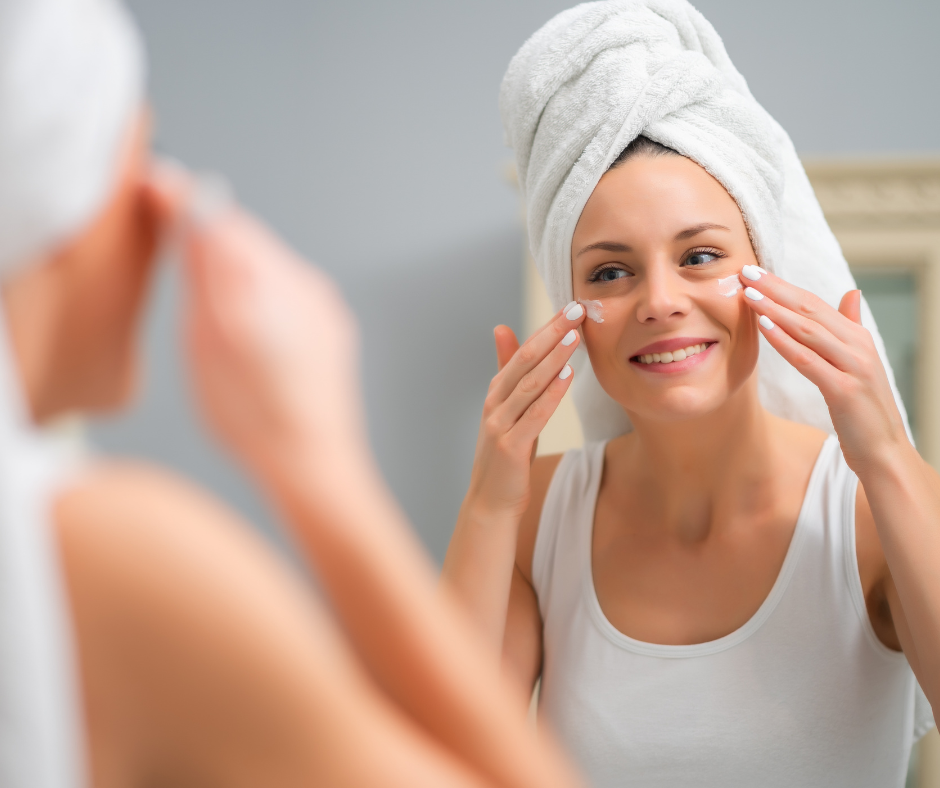
When it comes to repairing the barrier, less is more:
Step 1: Scale back
For two weeks to a month, keep your skincare routine simple: use a gentle, non-foaming, pH-balanced cleanser along with a rich moisturiser that promotes healing. You must also use a broad-spectrum sunscreen (SPF 30+) on your skin, regardless of whether or not you are outdoors.
Step 2: Rebuild
Begin to integrate trusted products with ingredients that restore lipids and hydration:
Ceramides replenish structural lipids
Cholesterol and fatty acids support barrier integrity
Hyaluronic acid draws in hydration
Glycerin helps maintain moisture
A low percentage niacinamide reduces inflammation and supports barrier repair
Step 3: Hydrate
Be strategic:
Apply moisturiser on slightly damp skin so that it absorbs more effectively
Consider layering a cream over a hydrating serum at night
Step 4: Protect
Especially for those of us who live in the tropics, barrier repair requires sun protection:
Use SPF every day
Reapply regularly, especially if outdoors
Step 5: Reintroduce actives
Once your skin feels calm again, you can try reintroducing actives one at a time, once or twice a week. Buffer with moisturiser if needed.
In-clinic treatments the barrier loves
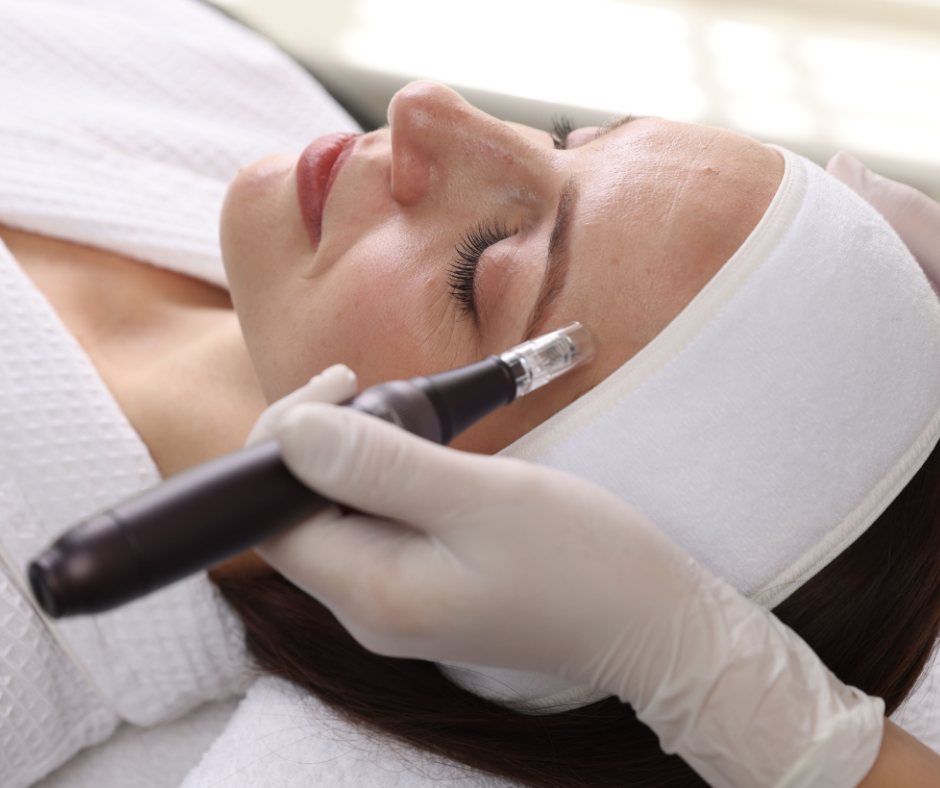
Once the barrier is stabilised, certain professional treatments can accelerate recovery and improve overall skin function.
Microneedling with PRP (platelet-rich plasma)
A super-effective regenerative treatment, microneedling with PRP uses your body’s own growth factors to stimulate collagen and jump-start the healing process. You’ll notice an overall improvement in skin texture, tone, and resilience — but timing is important This is not a treatment we recommend for actively inflamed skin.
Best for:
Barrier repair strengthening
Dull, stressed, or ageing skin
Microneedling with added growth factors
This treatment can be either an alternative or a complement to PRP, as topical growth factors enhance repair signalling and support faster recovery and improved skin quality.
Best for:
Regenerative benefits
Enhancement of post-treatment healing
This gentle, non-invasive treatment stimulates cellular activity without further disrupting the barrier. The red light therapy reduces inflammation and supports healing, while the blue light helps eliminate acne-causing bacteria.
Best for:
Sensitive, inflamed, or reactive skin
Barrier maintenance
Medical-grade hydrating facials
Any facial that uses barrier repair serums, minimal exfoliation, and deep hydration will go a long way to restoring the integrity of your skin.
Barrier bottom line

Healthy skin depends on a balanced barrier, so before you go chasing glow, brightness, or anti-ageing results, focus on resilience.
Remember:
More products do not necessarily equate to better skin
Tingling often signals irritation (as opposed to being a sign something is “working”)
Consistency beats intensity, so be patient — barrier repair can take weeks, but it’s always worth the wait.
When your barrier is strong, actives work more effectively, your skin tolerates treatments better, and results last longer.