HITTING BELOW THE BELT
Janine Mendes-Franco
3 conditions you need to tell your dermatologist about
Some health concerns are easy to mention; others, not so much — particularly when they involve the genital area or sexual health. This often results in people putting off doctor’s appointments when early diagnosis really matters.
As dermatologists, we routinely diagnose and treat conditions affecting the genital skin — they are medical conditions like any other, so there is no reason to feel embarrassed about asking for help.
Sexually transmitted infections

Syphilis is on the rise. Recently, we have seen far too many cases in sexually active young people. The symptoms, which include painless sores or rashes, can be easy to overlook. Sometimes, they disappear altogether, but the infection remains in the body.
It is possible for the disease to be cured in its early stages, which is why early testing and intervention are key. Without treatment, syphilis can become life-threatening, causing serious damage to the nervous system, brain, eyes, heart and other organs.
Early diagnosis of all STIs — not just syphilis — can make a real difference in outcomes.
Lichen sclerosus

A chronic inflammatory skin condition that can affect the genital area in both women and men, lichen sclerosus can cause itching, soreness, pale or tender patches of skin, scarring, or tightening of the foreskin in men.
It’s likely caused by a combination of factors, including genetics, an overactive immune system, and even previous skin damage or irritation. It’s not contagious, nor is it spread through sexual contact, but postmenopausal women are often at higher risk for developing the condition. There’s no cure, but treatment (usually a prescription steroid ointment) can help control symptoms and reduce the significant scarring that can happen if the condition remains persistent, is poorly controlled or left untreated.
If left to advance, it’s associated with an increased risk of squamous cell carcinoma — including penile cancer — but when properly monitored, becomes much more manageable.
HPV and genital warts
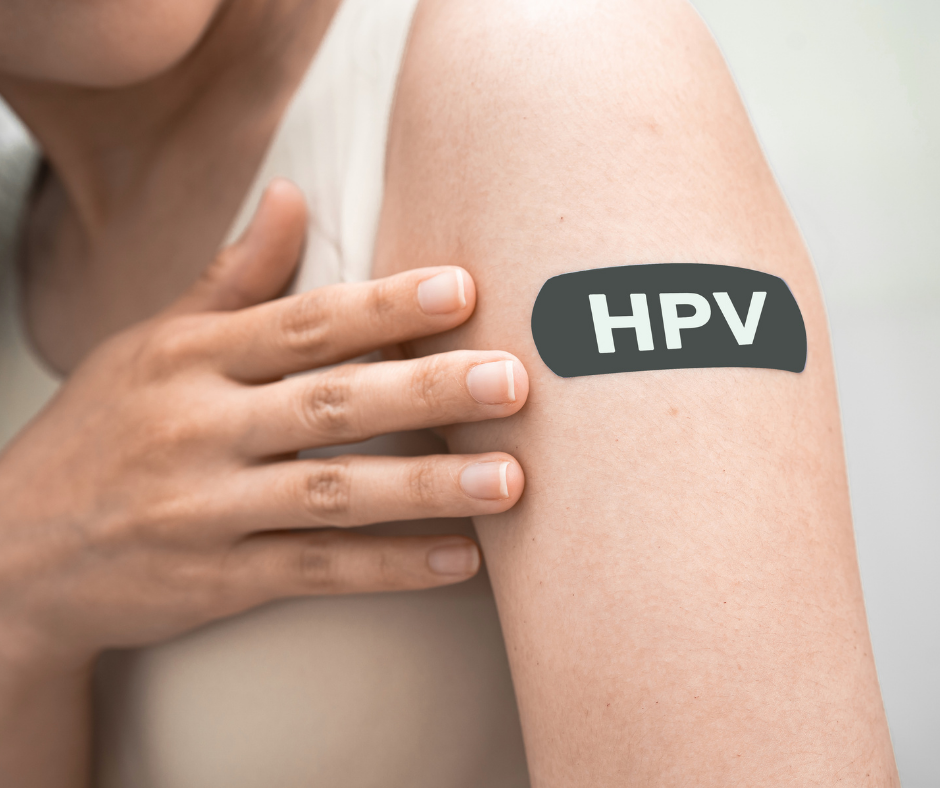
Human papillomavirus (HPV) is extremely common. Certain types cause genital warts, while more high-risk strains can cause cell changes that may eventually develop into cancers — most notably cervical cancer, but also anal, penile and throat cancers.
The good news is that HPV vaccination can protect against the strains responsible for the majority of HPV-related cancers and genital warts, and is most effective when given before exposure to the virus. Cervical screening remains important even for people who have been vaccinated.
If something doesn't look or feel right, talk to your dermatologist or doctor. A brief moment of discomfort in raising the subject could prevent a much more serious health problem down the road.