EXFOLIATION VS. RESURFACING
Janine Mendes-Franco
Both can help refresh your skin, but they don’t work the same way
Exfoliation and resurfacing are used to improve the skin’s appearance and texture — yet, there are important differences between them — particularly when we make a distinction between at-home skincare to professional dermatological treatments.
What is exfoliation?
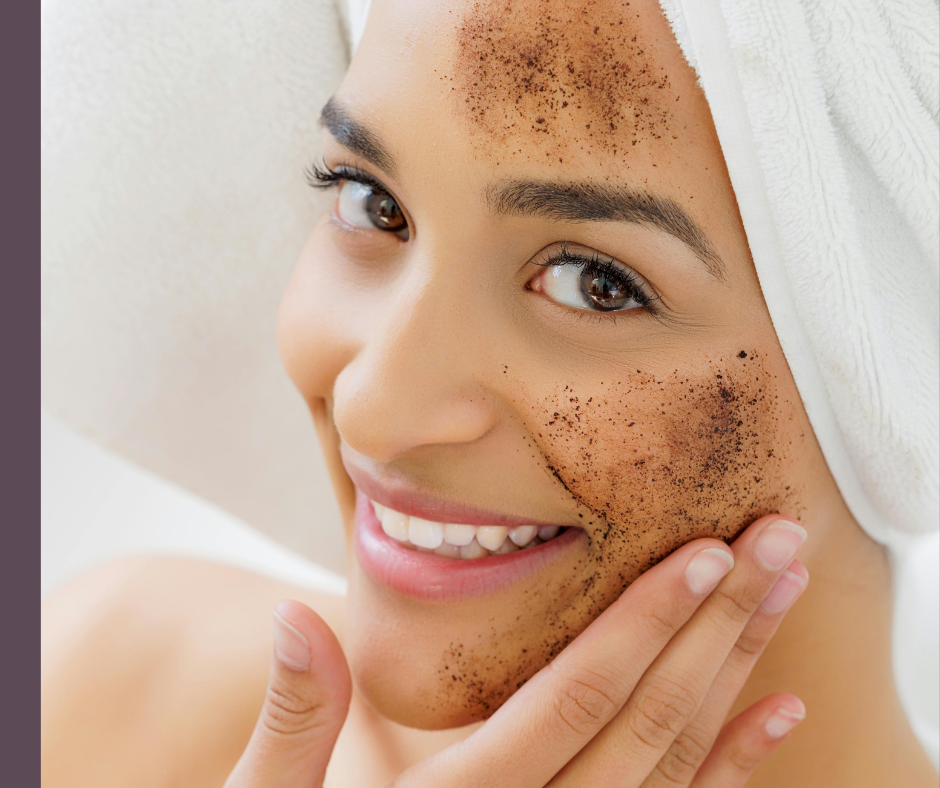
As part of its normal renewal process, your skin regularly sheds dead cells from its outermost layer. When you exfoliate, you help the process along. Removing some of these surface cells can leave skin looking and feeling smoother and brighter.
Exfoliation can be either physical, using friction or abrasion, or chemical, using ingredients like alpha- or beta-hydroxy acids to loosen the bonds between surface skin cells — but the key word here is surface. Exfoliation primarily works on the outermost layers of the skin.
Professional treatments like medical microdermabrasion offer even more controlled exfoliation, mechanically exfoliating the epidermis to improve dullness, rough texture and superficial clogging of pores.
What is resurfacing?
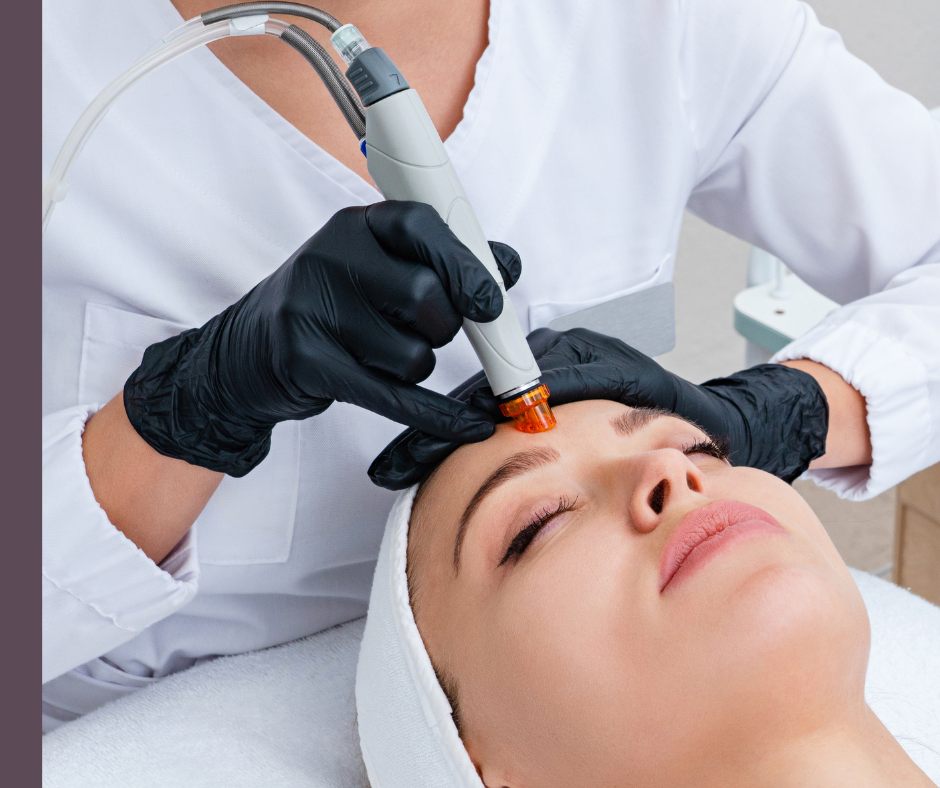
This involves treatments designed to create a controlled effect within the skin to encourage renewal. Depending on the technology being used, practitioners can even target concerns just below the surface.
Take laser resurfacing: different lasers work in different ways, but these treatments are effective in addressing concerns like uneven pigmentation, sun damage, acne marks, fine lines, and irregular texture.
Rather than simply removing surface build-up, resurfacing treatments typically stimulate the deeper processes involved in skin renewal.
Is one better than the other?
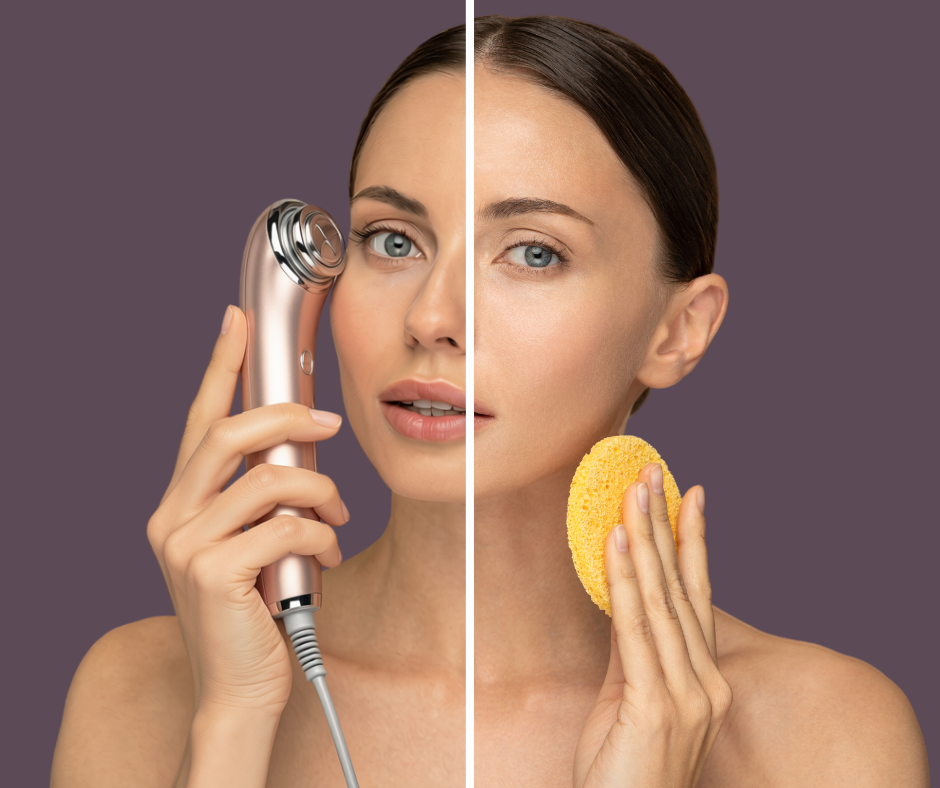
Not necessarily, because they aren’t interchangeable treatments. Think of exfoliation as buffing and polishing the surface, and resurfacing as working at different depths depending on the treatment.
Exfoliation is often sufficient for someone experiencing mild dullness or roughness, whereas patients with persistent hyperpigmentation, acne scarring or textural changes might do better with a different approach.
More intensive doesn't automatically mean more appropriate; everyone is different. People with darker skin tones, for instance, can be more prone to post-inflammatory hyperpigmentation, which may cause increased pigmentation. This is why it is critical to have a proper assessment done: the type of treatment, device, settings and the practitioner’s experience with different skin tones all matter.
How do you tell which you need?
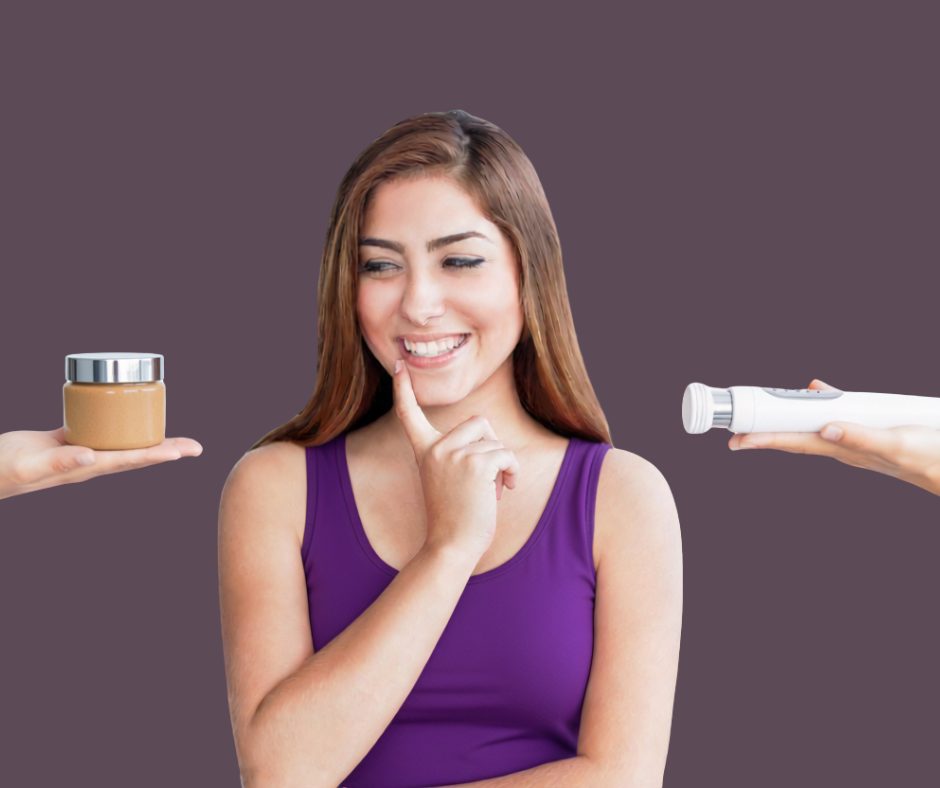
Start with the concern rather than the treatment. If your skin feels rough or looks dull, exfoliation may well do the trick. If you're trying to address pigmentation, scarring, fine lines or deeper textural issues, your dermatologist may recommend a resurfacing treatment or another targeted approach.
Please remember, though: stronger treatments do not always mean better results. Success lies in choosing the best approach for your individual skin.