TEENS AND KELOIDS
Janine Mendes-Franco
What every parent should know
The teenage years bring many “firsts”: acne, ear piercings, and yes — keloids, especially in a society that is as ethnically diverse as ours. Here’s what you should know about prevention and early treatment.
What are they?
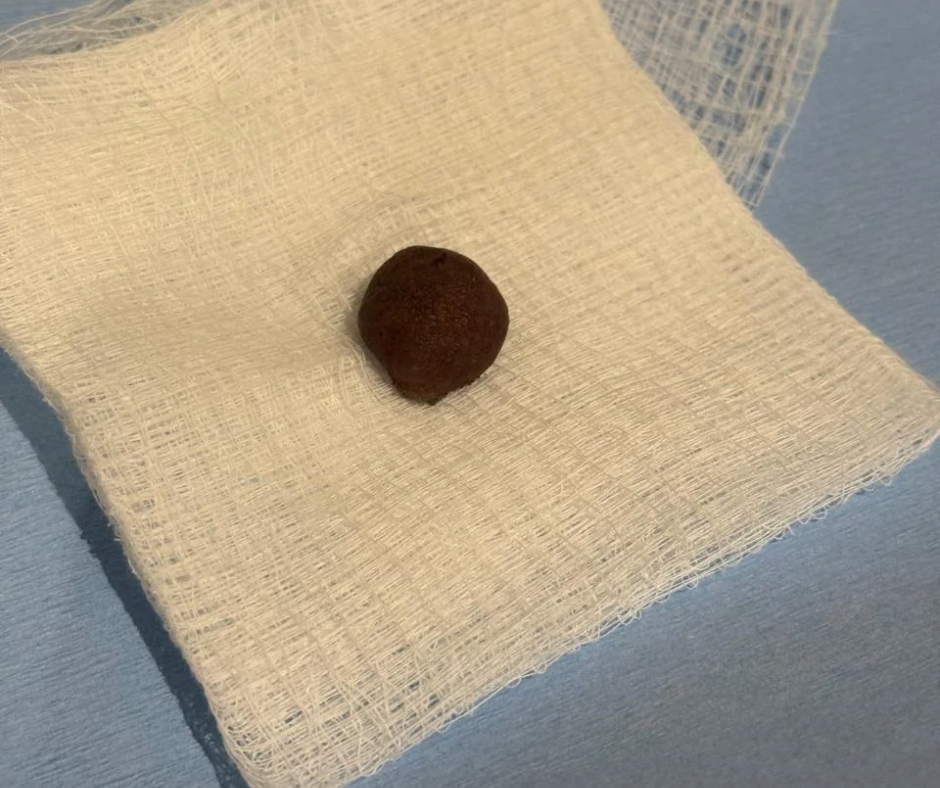
Keloids are raised scars that form when the body produces excess collagen during the healing process. Unlike ordinary scars, keloids grow beyond the boundaries of the original wound and may continue to enlarge over time.
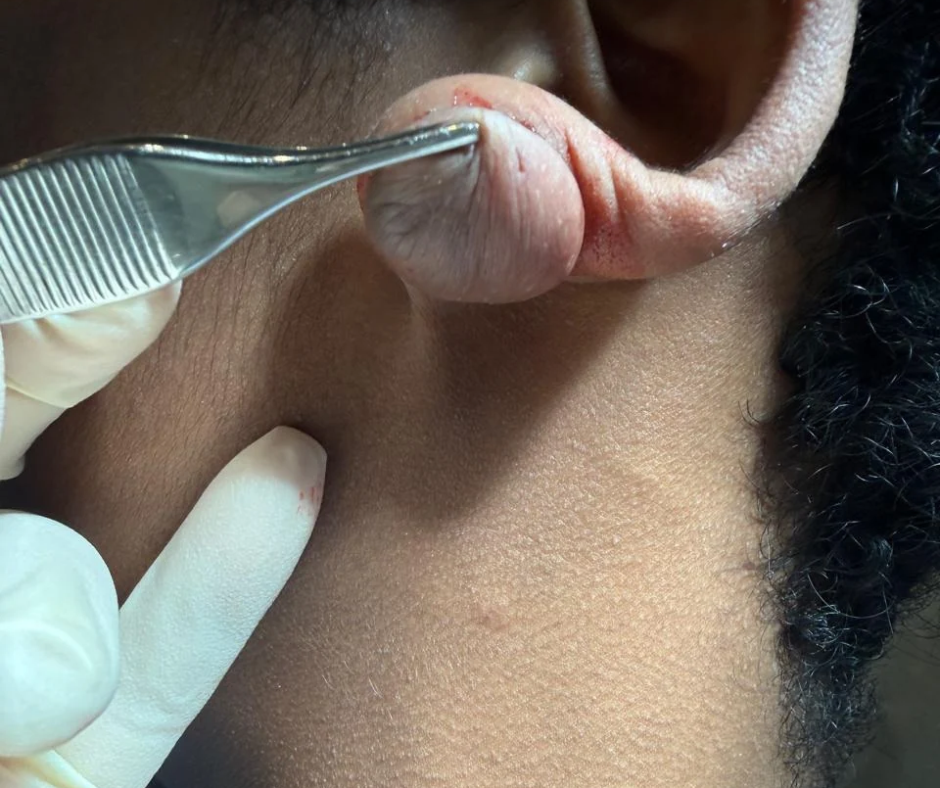
They can develop after relatively minor skin injuries, including ear piercings, acne, cuts, burns, and even insect bites. They may be itchy, tender or uncomfortable, and depending on their appearance, can sometimes affect a teenager’s confidence.
Why are teens susceptible?
Keloids commonly develop between the ages of 10 and 30, making the teen years into early adulthood a particularly sensitive time.
Although anyone can develop a keloid, they happen more frequently in people with darker skin tones, including with African, Indian, Asian and mixed ancestry. Genetics also play a role, so teenagers with a family history of keloids tend to be at greater risk.
Piercings, pimples and prevention
Ear piercings are a common trigger for keloids, so it’s best to avoid them during the teenage years, or at the very least, speak with your dermatologist before committing.
Acne is another potential trigger. Picking or squeezing pimples can increase inflammation and damage the skin, potentially contributing to scarring. Managing acne early and avoiding unnecessary skin trauma can help reduce the risk.
Treatment
Not every raised scar is a keloid, so an accurate diagnosis is important. If it is a keloid, there are several treatment options, including corticosteroid injections, silicone-based therapies and surgical removal.
In some cases, laser treatments can be effective at flattening keloids and reducing associated hyperpigmentation.Your dermatologist will determine the best approach based on size, location, symptoms, and medical history.
Done the right way, keloids are pretty simple to remove, but they can also be tenacious, so it is much better to tackle them early, before they become large, painful, and more challenging to manage.
When to see your doctor
If a teenager develops a raised scar that continues to grow, particularly after a piercing or breakout, you should have it assessed by a dermatologist.
Early evaluation can help determine what management options are best. Keloids are not just a matter of appearance. They can cause physical discomfort and emotional distress, so awareness, prevention and timely dermatological intervention can make a meaningful difference.