
5 SKINCARE HACKS FOR THE FESTIVE SEASON
Janine Mendes-Franco
What to consider (and when to start)
Christmas parties, family get-togethers, office cocktails, and Old Year’s Night are around the corner, and they all come with what feels like a million photo-ops!
If you’ve been maintaining a consistent skincare routine, you’ve got a solid foundation, but there are also supporting treatments that might be worth discussing with your dermatologist. The key is choosing correctly for your skin’s needs and allowing sufficient time for recovery.
1. Peel the deal
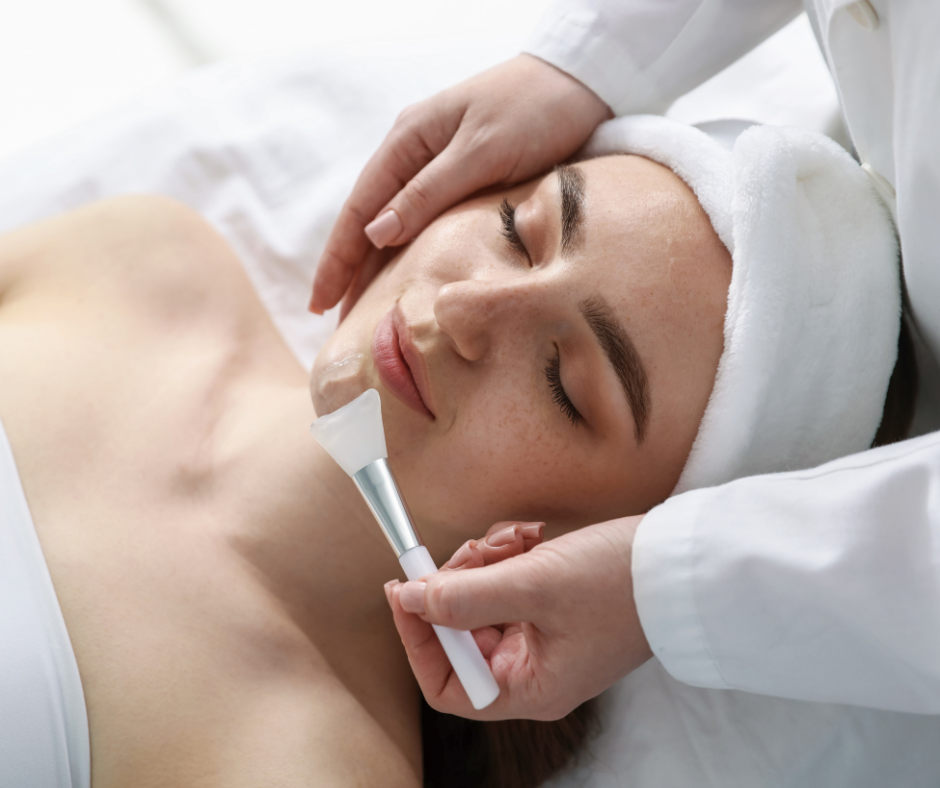
Chemical peels use carefully selected solutions to exfoliate the skin, with the aim of improving concerns like dullness, pigmentation, uneven tone and texture, fine lines, and even certain types of acne.
Peels vary in strength and depth. Superficial peels involve less downtime, while medium-depth and deeper peels require longer recovery periods.
When to plan: Depending on the type of peel, visible shedding, redness and sensitivity may last anywhere from several days to a few weeks. A pre-event consultation can help determine whether a peel is appropriate and if so, how much recovery time you should cater for.
The Perfect Derma peel, however, is a medium-depth, medical-grade peel formulated with Glutathione and a blend of acids and antioxidants. Designed to visibly brighten uneven skin tone and dark spots, it also helps reduce the appearance of fine lines and wrinkles, leaving skin looking clearer and more radiant. Most people experience only a few days of visible peeling.
2. Stop at the hydration station
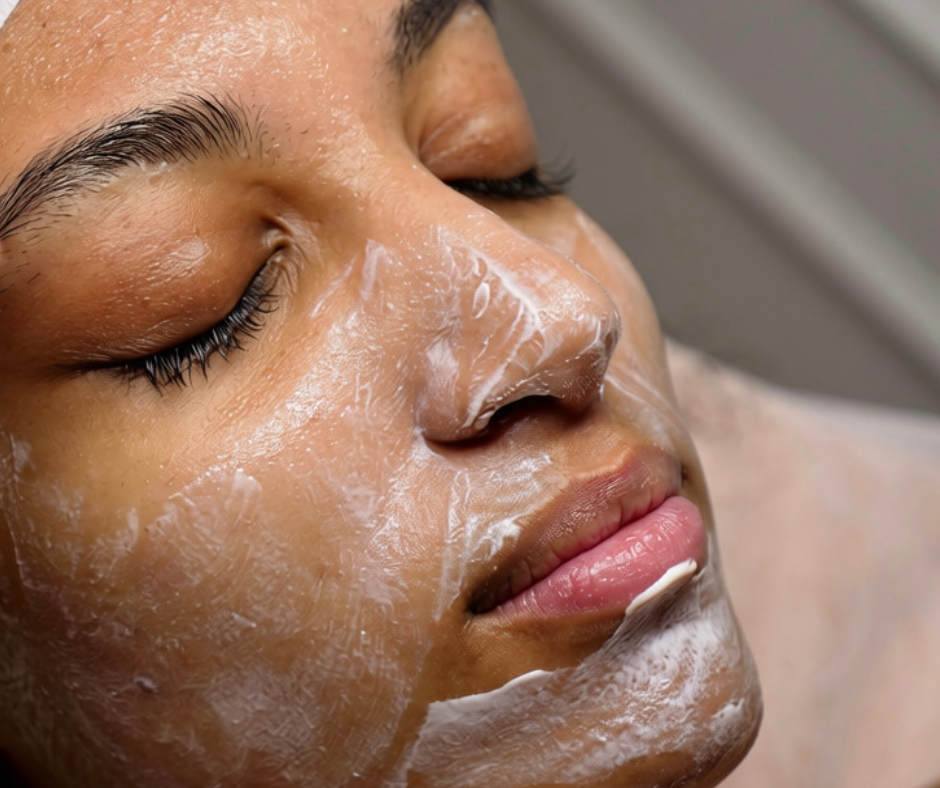
If your skin has been feeling dry or uncomfortable, a gentle, moisturising facial may help improve its temporary appearance and feel.
Facials can include cleansing, moisturising masks and other treatments specifically tailored for your skin, and options like Glacē and Oxygeneo are quite hydrating.
When to plan: Gentle facials typically have little or no downtime. Irritation or breakouts can still occur, however, so it’s usually best to avoid an unfamiliar facial just before an important occasion.
3. Be laser-focused

If shaving, waxing or managing unwanted hair is a recurring concern, laser hair removal may be worth exploring.
The treatment targets pigment within hair follicles to progressively reduce hair growth. Because hair grows in cycles, you generally need multiple sessions spaced several weeks apart.
When to plan: Start early. If this is your first time doing laser hair removal, it won’t be an instant solution for holiday events, but beginning a treatment programme now is the first step towards longer-term results for events like Carnival. Bear in mind that temporary redness and swelling may occur after treatment.
4. Thread the needle
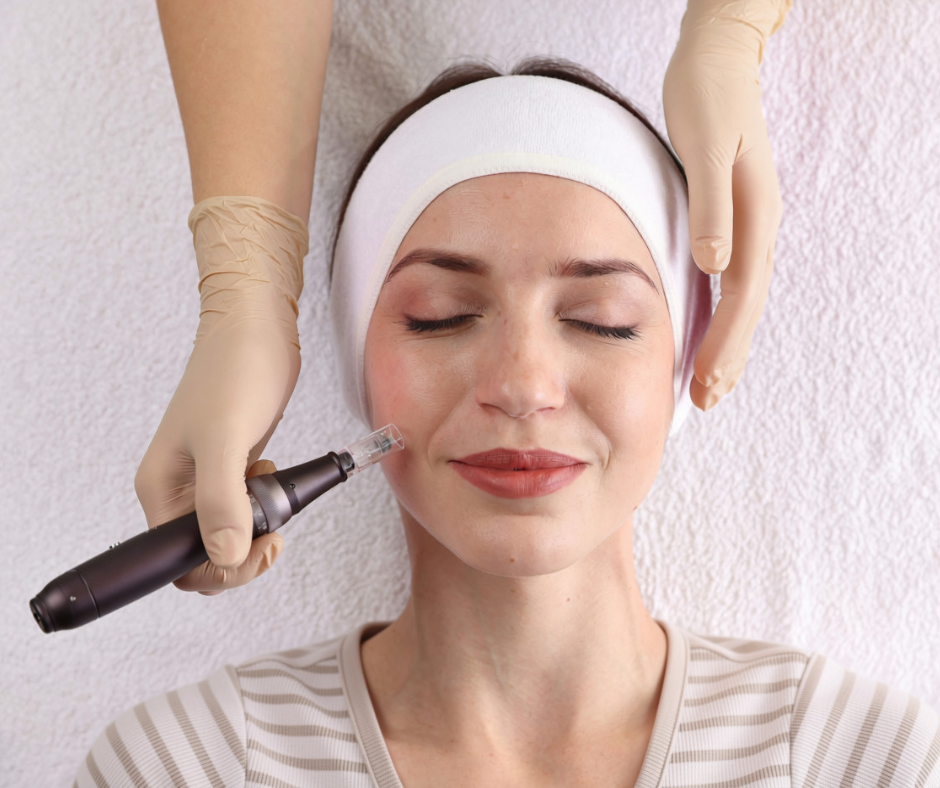
To combat poor texture and certain types of scarring, microneedling treatments create controlled micro-injuries in the skin, stimulating the body’s natural healing response.
Your dermatologist may recommend this treatment if you have certain types of acne scars, fine lines, or uneven texture. You generally see improvements gradually, and multiple sessions may be necessary.
When to plan: Allow time for temporary redness, sensitivity and recovery — and bear in mind that microneedling is not suitable for everyone, particularly those with certain active skin conditions or a history of abnormal scarring.
5. Consult your dermatologist
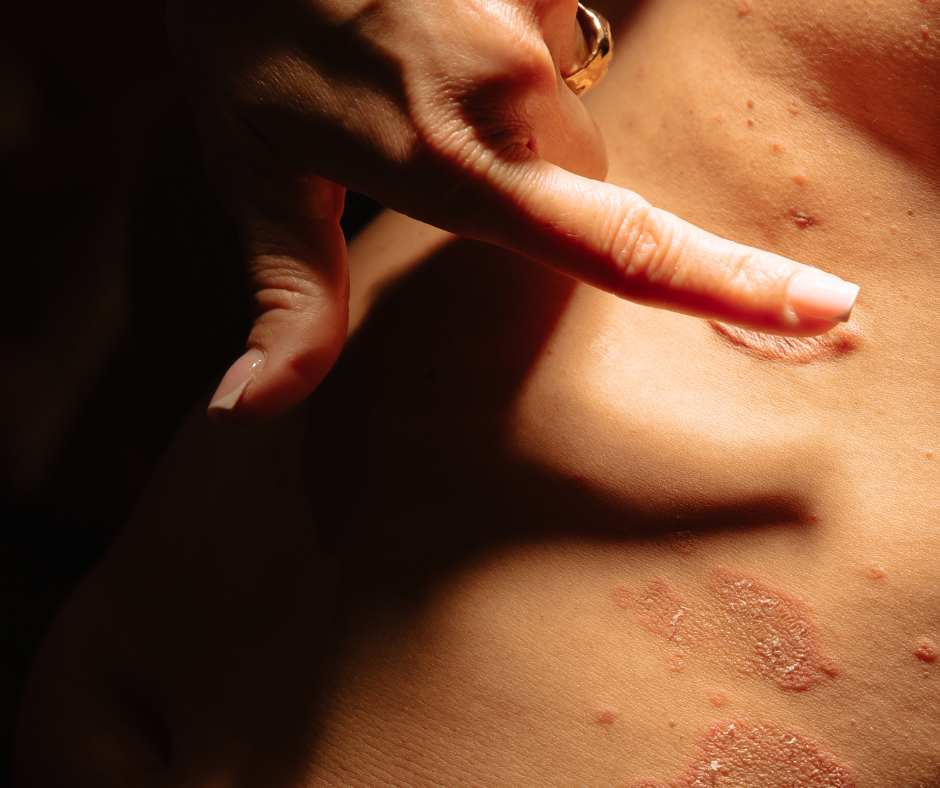
Not every skin concern requires a treatment; sometimes, all your skin might need is a professionally guided regimen.
Depending on your particular skin, your dermatologist may recommend targeted topical treatments.
When to plan: Begin several weeks in advance, as some products’ active ingredients require gradual introduction and may initially cause dryness or irritation.
One step at a time
With the pressure of seasonal parties upon us, it’s tempting to want a quick fix, but it’s all in the planning. Remember: like most things worth waiting for, healthy skin takes both consistency and time.
Regardless of the treatment, results and recovery times vary because everyone’s skin is different. What works for someone else may not work for you, which is why it’s important to talk to your clinician.
In the end, the best festive skincare decision is the one that works for your skin.