
6 SUNSCREEN MISTAKES NOT TO MAKE FOR CARNIVAL
Janine Mendes-Franco
Protect yourself to like yourself
Living in the land of Carnival, sun protection should be second nature. Yet sunscreen remains one of the most misunderstood (and misused!) parts of skin care. While part of the challenge is certainly remembering to apply sunscreen, the other part of the equation is how you’re doing it, so before you hit the road, remember these rules…
1. No matter how dark your skin is, it needs sunscreen
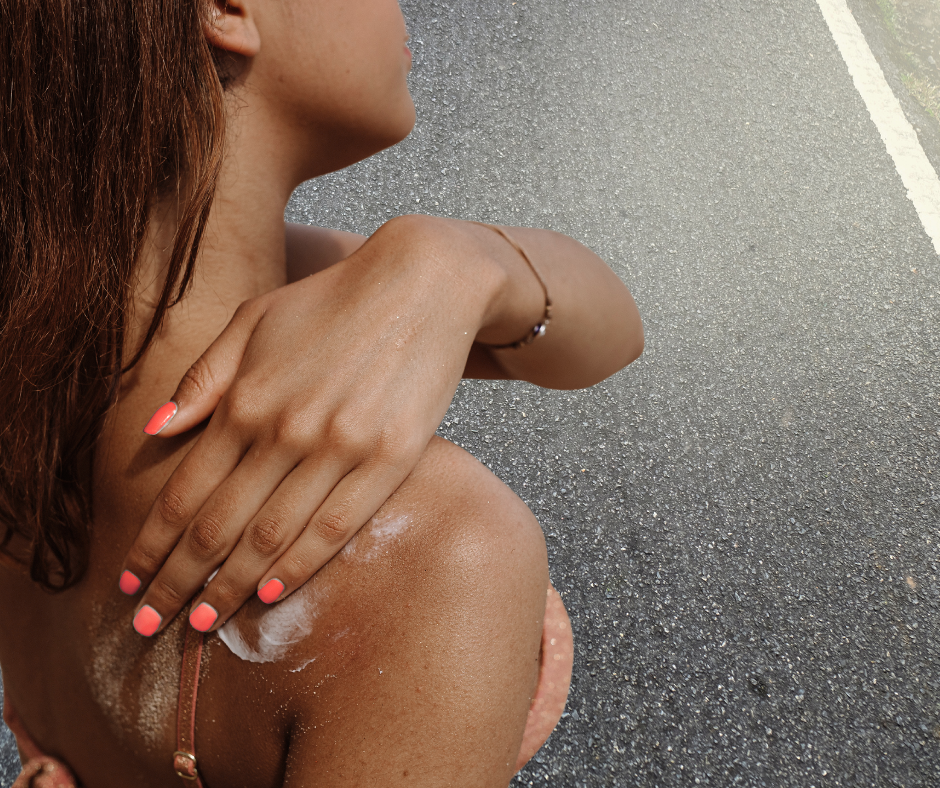
While darker skin contains more melanin, offering some natural protection against UVB rays, it is not immune to:
UVA damage (which causes premature ageing and skin cancer)
Hyperpigmentation
Melasma
Sun-triggered inflammatory conditions
In fact, sun damage in darker skin often shows up later, as stubborn hyperpigmentation or uneven tone that is difficult to treat. Sunscreen is essential for all skin tones.
2. Sunny or not, sunscreen is non-negotiable
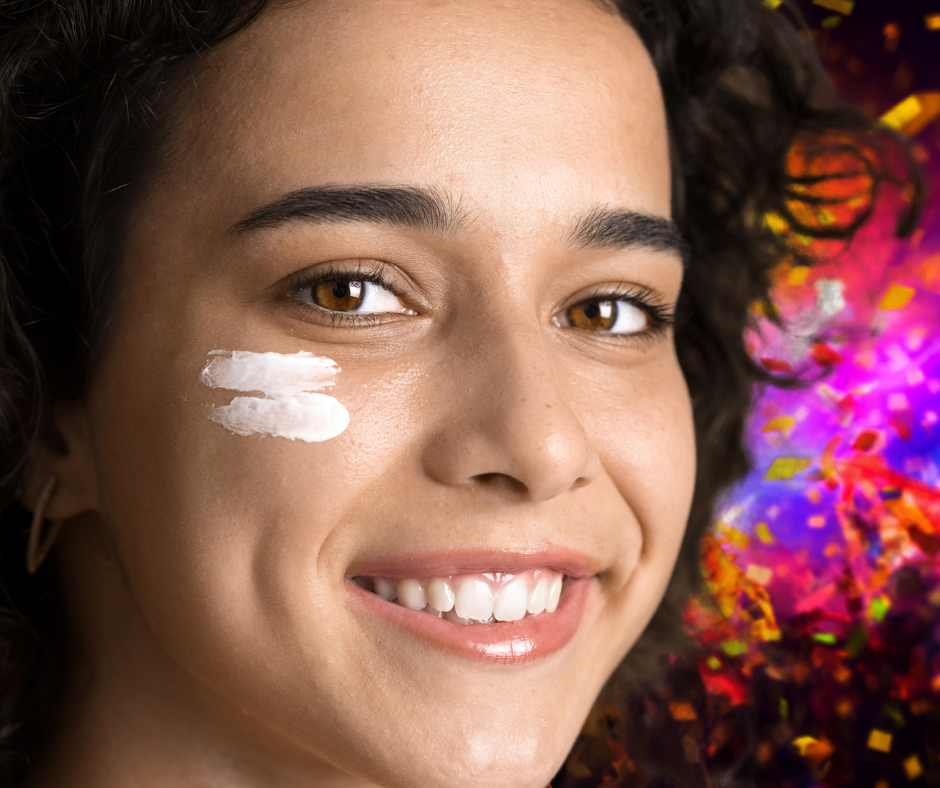
In the Caribbean, UV exposure is high year-round, even on cloudy or overcast days. Up to as much as 80% of UV rays can penetrate cloud cover, which means your skin is still exposed during:
Overcast weather
Short, outdoor errands
Car trips or sitting near windows
Daily sunscreen use should be as routine as brushing your teeth.
3. Application matters
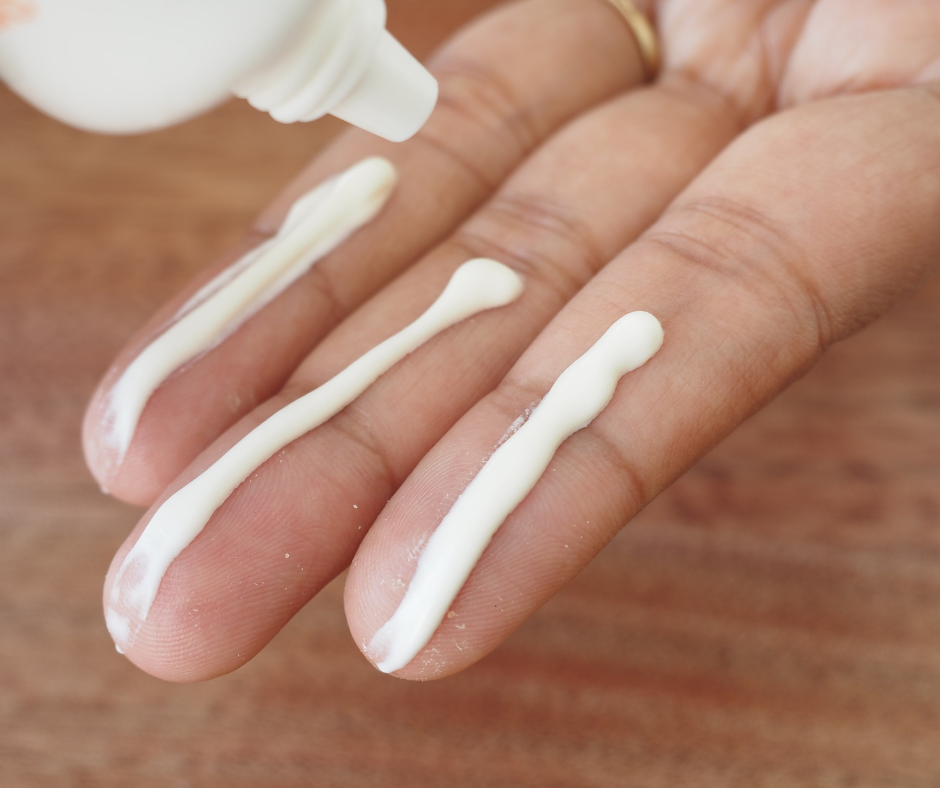
Most people apply less than half the amount of sunscreen needed for proper protection. As a general guide:
Face and neck — 2 finger-lengths of sunscreen
Body — 30–35 ml (enough to fill a shot glass)
Applying too little dramatically reduces the level of protection — even if the SPF number is high.
4. Don’t rely solely on the SPF in makeup or moisturisers

While the SPF built into these products can contribute to protection, they are not sufficient on their own. Because they are usually applied too thinly to provide the stated SPF, they should be used in addition to a dedicated sunscreen. Think of them as a bonus layer — not your primary defence.
5. Remember to reapply

In tropical climates like ours, sunscreen breaks down faster due to sweat, heat, and humidity. Sunscreen should therefore be reapplied:
Every 2 hours when outdoors
Immediately after heavy sweating, swimming, or any water-based Carnival event
Just because some sunscreens are water-resistant does not mean they are waterproof.
6. Don’t skip the sunscreen even if you have a breakout

Many people skip sunscreen because older formulas felt greasy, clogged their pores, or caused irritation. Modern sunscreens have changed the game, offering a range of formulations to suit every skin type and condition:
Lightweight gels
Fluid emulsions
Non-comedogenic formulations
Mineral options for sensitive skin
Believe it or not, skipping sunscreen can worsens acne, cause post-inflammatory hyperpigmentation, and increase skin sensitivity over time. Of course finding the right formula matters — and we’re happy to help you with that — but skipping protection altogether causes more harm than good.
What to look for in a Carnival-friendly sunscreen

When choosing a sunscreen for two days on the road, look for:
Broad-spectrum (UVA and UVB protection)
SPF 30 or higher
Lightweight or gel-based textures
Non-comedogenic formulas
Water resistance
A sunscreen you’ll wear consistently is more effective than one with a higher SPF that stays on the shelf.
At Carnival, sunscreen isn’t optional — it’s foundational skin care. Using it correctly not only protects you against sunburn, it also helps prevent premature ageing, pigmentation issues, and long-term skin damage, but you have to be consistent. Even the smallest changes in how you apply sunscreen can make a significant difference to your skin’s health over time.