Contact Us

Use the form on the right to contact us.

You can edit the text in this area, and change where the contact form on the right submits to, by entering edit mode using the modes on the bottom right. 


123 Street Avenue, City Town, 99999

(123) 555-6789

email@address.com


You can set your address, phone number, email and site description in the settings tab.
Link to read me page with more information.

chris-lee-654655-unsplash.jpg

Elements

SHOULD YOU BE PANICKING OVER GEL NAIL POLISH?

Janine Mendes-Franco

We cut through the noise and explain what’s what 

As most people know by now, on September 1, 2025 the European Union banned the sale and use of gel nail polishes containing trimethylbenzoyl diphenylphosphine oxide (TPO), which it classified as “carcinogenic, mutagenic, or toxic for reproduction”. Take note: not all gel polishes are banned, just those containing TPO — and the move has forced manufacturers to reformulate their products without this contentious ingredient, which is a good thing.
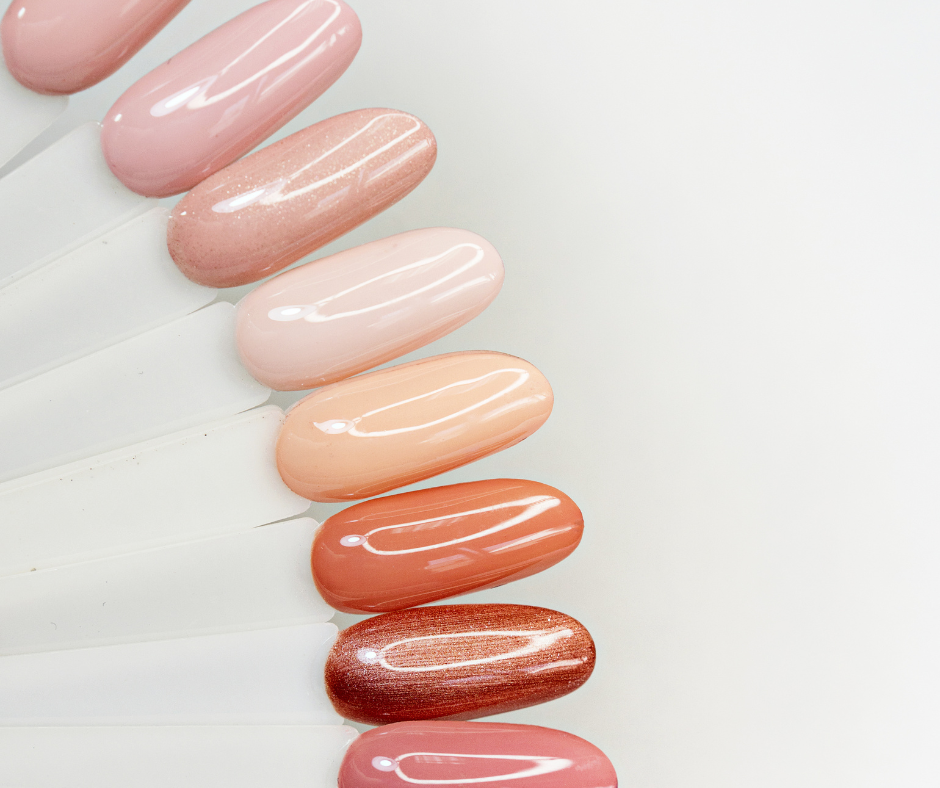
It’s also important to state that the EU ban is precautionary and solely based on the results of animal studies, which showed reproductive toxicity in high-dose exposures. The United States has not yet followed suit with prohibiting the use of TPO. 

What is TPO, exactly? 

TPO is a photoinitiator — a chemical that helps gel polish harden when exposed to UV or LED light. It has been a revolutionary advancement in the beauty salon world because of its durability, making the nail polish more glossy, chip-resistant, and longer-lasting. Every woman’s dream, right? But every up side has its down side.  

What you should be concerned about 

1. UV/light exposure
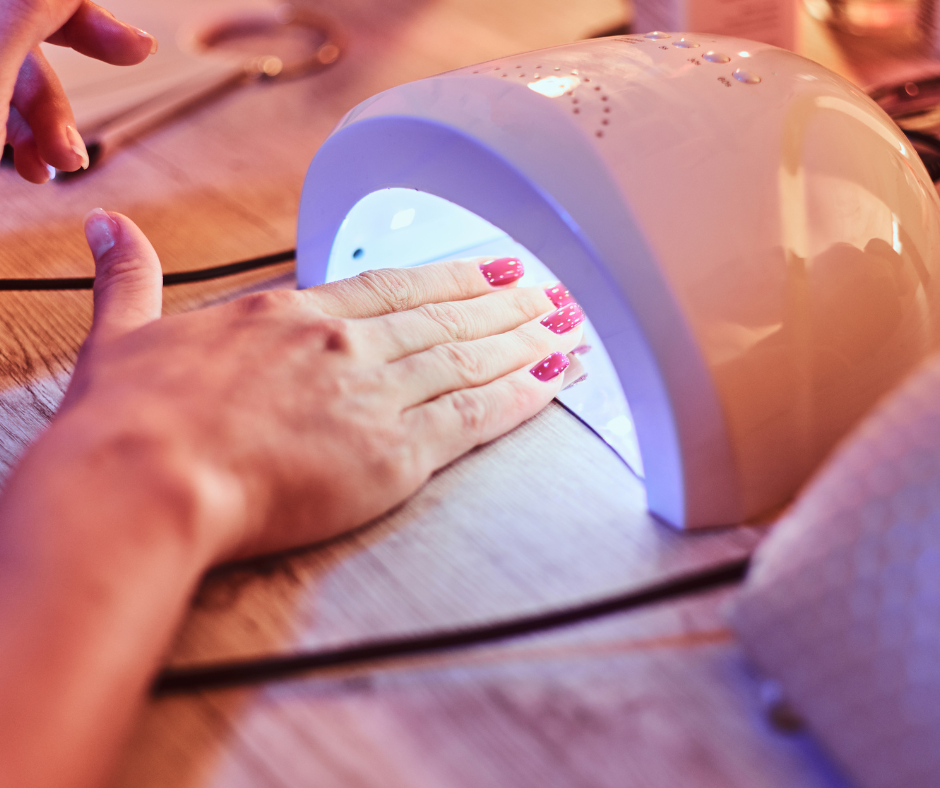
Gel manicures require curing under UV or LED lamps, which emit UVA rays (the longer-wave ultraviolet light). UVA contributes to skin ageing, and may also increase skin cancer risk. While the exposure received via these light sources is lower than say, a tanning bed — and while LEDs are considered a safer alternative to UV — repeated sessions can have a cumulative effect.  

2. Chemical and allergy hazards
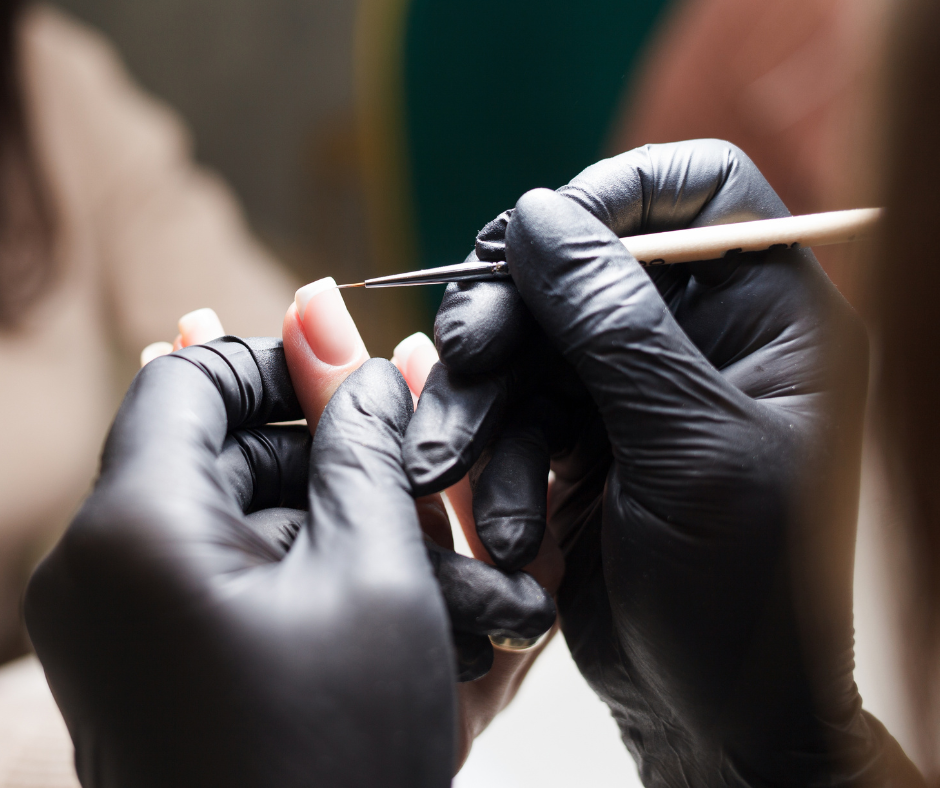
In addition to the improper application or removal of gels having the potential to weaken, peel, or crack the natural nail plate (the hard part of your nail), acrylates and methacrylates — compounds known for causing contact dermatitis or allergic sensitisation— are often found in gel formulas. Acrylate allergies can actually result in an inability to use certain medical adhesives or joint-related materials later in life, limiting the possibility of having certain key medical procedures. TPO itself commonly causes localised skin irritations.

3. Mechanical and removal damage
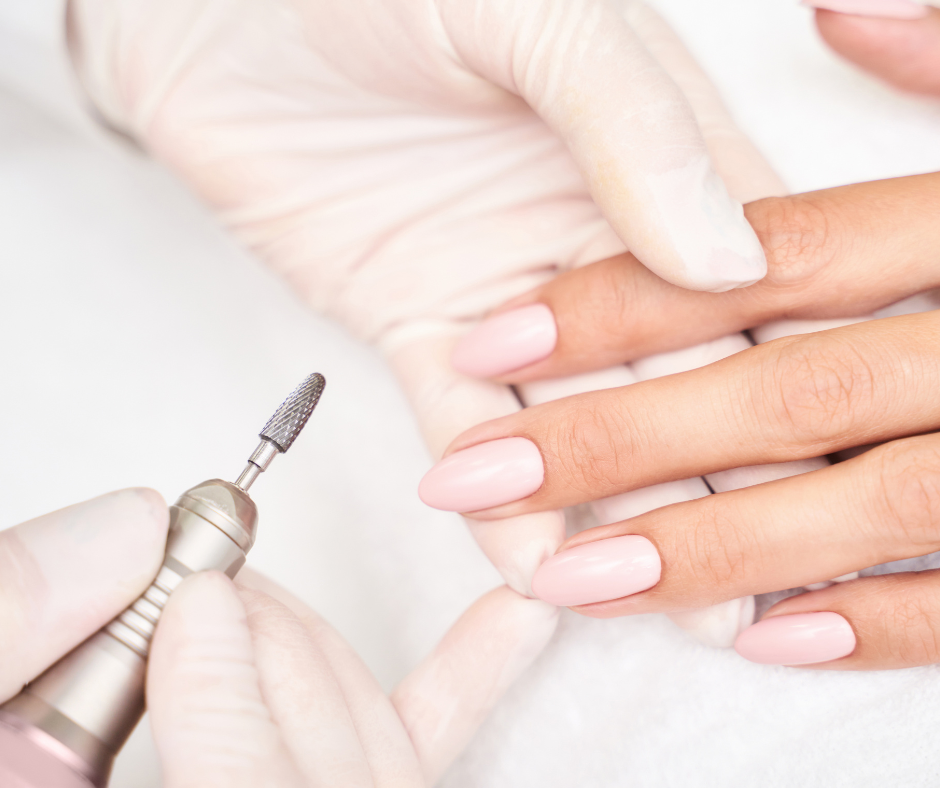
The method of applying and removing gel polish can be as harmful as the polish itself. Nail technicians commonly buff or file the nail surface before applying the gel, thinning the nail plate in the process. In order to remove the gel, nails must be chemically softened, usually by soaking them in acetone — but peeling or forcibly lifting the polish can cause chips, fissures, and weakening of the nail. Over time, this can lead to thin, brittle, unhealthy nails. 

Naturally, nail technicians are potentially at a higher risk for adverse health effects over time, thanks to repeated exposure to chemicals, dust, vapours, etc.   

Explore the alternatives 
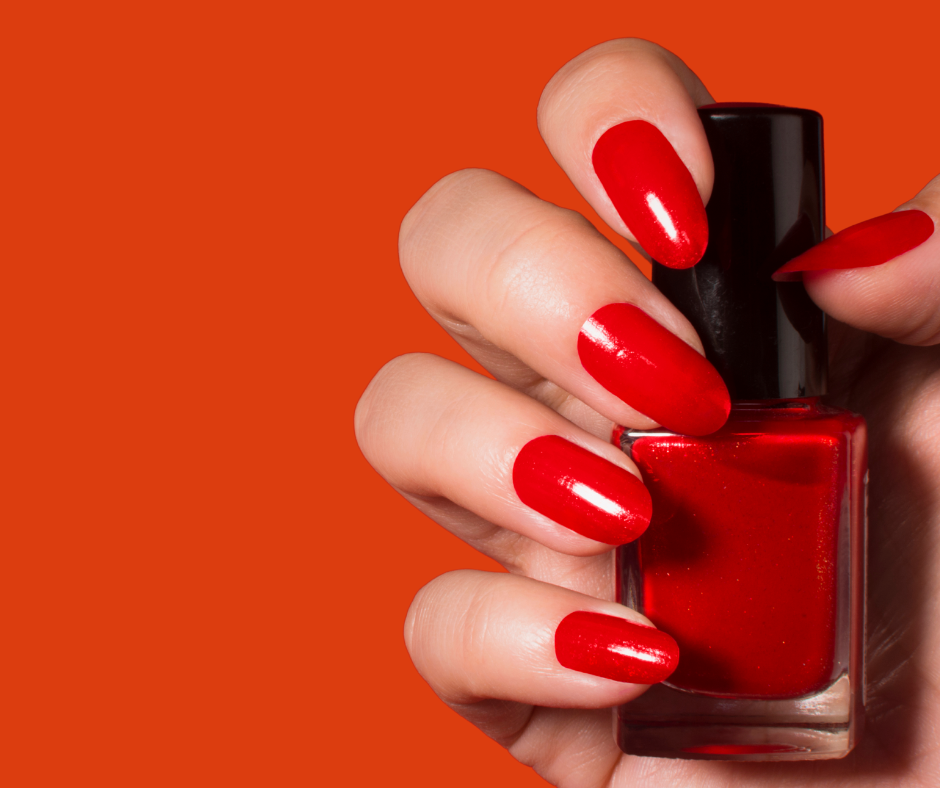
The EU’s ban could be a sign to reevaluate your nail care habits. There are many beautiful alternatives to nail gels. Though less long-lasting, regular nail polish is easier to remove, and has fewer harsh chemicals, which is a decent trade-off. 

Gel-effect or “no-light” polishes mimic the glossy finish of gels without needing a curing lamp. Though not completely risk-free, dip powder nails are achieved via a powder and cure system that omits use of certain photoinitiators. Press-on nails are great for temporary wear, and builder-in-a-bottle gel overlays can achieve the hard gel effect, with more low-risk ingredients compared to full gel colour systems.  

How to be safer

1. Protect yourself 

An easy first step is to limit the frequency with which you get nail treatments, or reconsider the type of treatment you have. If you insist on gels, be sure to apply a broad-spectrum SPF (≥ 30) to your hands and/or use UV-protective fingerless gloves to act as a shield during the curing process. 

2. Check your ingredients 

Become a label reader and do your research — choose gels that are TPO-free, or use alternative photoinitiators.

3. Avoid aggressive prepping/removal  

Tell your manicurist to skip the heavy buffing before applying the gel. For removal, we strongly advise against forcing off the polish. If tools must be used, make sure they are made of plastic or wood rather than metal. 

4. Pamper yourself 

Moisturise and nourish your nails by using replenishing cuticle oils and hydrating hand creams. You can also consider applying just a nourishing, protein-rich base between polishes.  

5. Be observant
If you notice any type of adverse effects, including redness, itching, or nail thinning, call your dermatologist — it’s likely a case of allergic sensitisation.

As dermatologists, we are swayed only by science and therefore encourage prudence and informed consumer choices — so if you continue to use gel nails, please take our recommended safety precautions seriously. 

MOISTURISER MYTHS

Janine Mendes-Franco

How to pick the right product for your skin

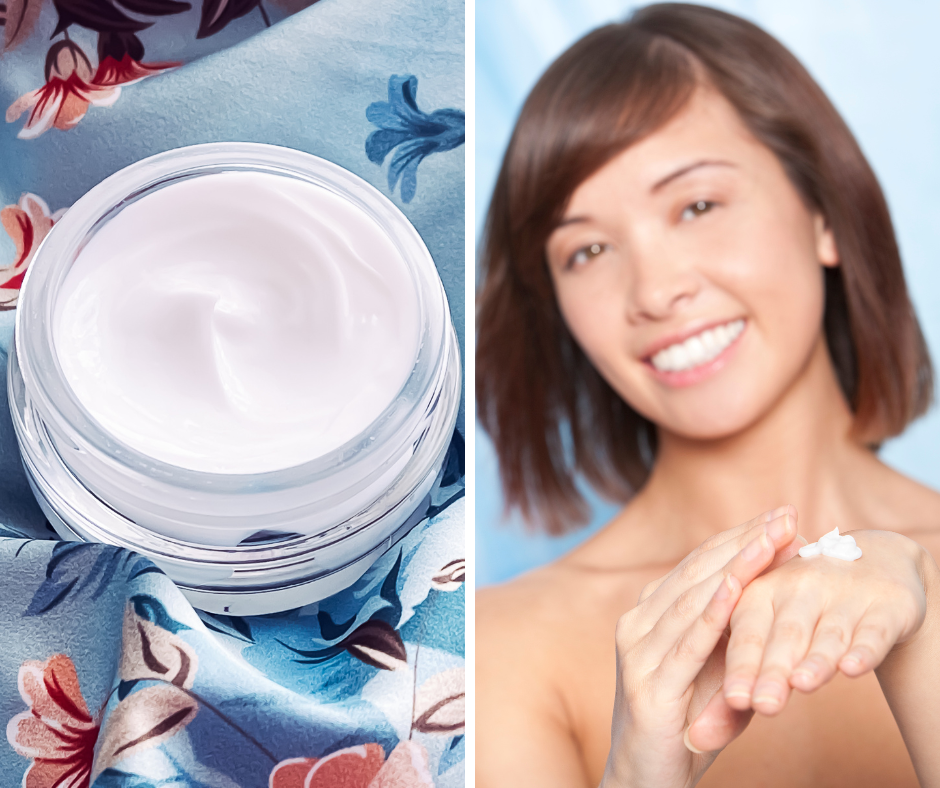
The perfect moisturiser isn’t found in the fanciest jar or trendiest ingredient. It’s all about protecting and strengthening your unique skin barrier — which means what works for someone else may not necessarily work for you. 

What’s the barrier about? 

As the outermost layer of your skin, the barrier is made up of lipids, proteins, and skin cells that form a protective shield, keeping in moisture while blocking environmental irritants from getting in.

Whenever the barrier is compromised — from harsh cleansers, too much sun, or over-exfoliation — your skin can become dry, sensitive, and more prone to difficult conditions like eczema or acne.

Enter moisturisers

The right moisturiser can help restore and maintain this protective shield — but first, let’s deconstruct a few of the most common myths when it comes to moisturising your skin. 

Myth 1: Oily skin doesn’t need moisturiser

Even oily or acne-prone skin can be dehydrated — and if it is, skipping the moisturiser may cause the skin to produce even more oil to compensate. Choose a lightweight, non-comedogenic formula that won’t clog pores.

Myth 2: The thicker the product, the better the hydration

While heavier balms might be great for very dry skin, they can overwhelm combination or oily skin. Texture isn’t the only indicator of effectiveness — the ingredient list matters more, so make sure you check it! 

Myth 3: Expensive always means better

While many scientifically supported skin care results are linked with more expensive products, price isn’t always a reflection of effectiveness. Many dermatologist-recommended moisturisers are affordable and packed with clinically proven ingredients like ceramides, glycerin, and hyaluronic acid. Just like your wardrobe, a good skincare routine should ideally include a mix of high-end performers and reliable basics.  

What to look for

  • For Dry Skin — Rich, creamy products with ceramides and fatty acids

  • For Oily/Acne-Prone Skin — Lightweight gels or lotions with hyaluronic acid or niacinamide

  • For Sensitive Skin — Fragrance-free formulas with soothing ingredients

  • For Ageing Skin — Products with peptides or antioxidants to support collagen and barrier repair

Pro Tip — Always pair moisturiser with daily sunscreen for complete barrier protection.

This month, when you book a Perfect Derma Peel, you’ll receive 15% OFF sunblock or moisturiser — the perfect duo for barrier protection and post-peel care.
— Serpentine Dermatology September Specials

PEELS VS. LASERS

Janine Mendes-Franco

Which is right for you?

Two of the most effective treatments for skin health and appearance are chemical peels and laser therapies. Both can smooth texture, even skin tone, and help with signs of ageing, but they work in very different ways.

Chemical peels

Chemical peels use a carefully controlled solution (like the Perfect Derma Peel) to exfoliate the outer layers of skin. This process speeds up cell turnover, reduces pigmentation, and stimulates collagen production.

Best for

Benefits

The perfect deal…

Book a Perfect Derma Peel and enjoy 15% OFF sunblock or moisturiser — the perfect way to protect and maintain your results!
— Serpentine Dermatology September Specials

Laser treatments

Lasers use concentrated light energy to target specific concerns beneath the skin’s surface. Different types of lasers are designed for different goals, from hair removal to skin resurfacing.

Best for

Benefits

  • Highly targeted (different wavelengths treat different concerns)

  • Offers long-lasting or even permanent results

  • Often less downtime than deep chemical peels

Laser specials this month…

25% OFF full or half-arm laser sessions — great for smooth, hair-free skin

Buy any laser package and get one small area FREE (lips, fingers, toes, or areola)

$100 OFF Picoway eyebrow tattoo removal — reset your brows safely and effectively
— Serpentine Dermatology September Specials

Which is right for you?

  • Choose a peel if you want an overall refresh, brighter skin, or need to treat acne and uneven skin tone

  • Choose a laser if you’re targeting something more specific, like unwanted hair, tattoos, or hyperpigmentation

Sometimes, the best approach is actually a combination. For example, a peel can improve your skin’s overall texture while the laser therapy focuses on one stubborn issue. If you need a plan tailored to your needs, just book a consultation with us. Your healthiest skin starts here!

THE 7-DAY SUNSCREEN CHALLENGE

Janine Mendes-Franco

Can your skin look brighter in a week?

It’s the July-August vacay (JAVA), which means most of us will be at the beach — and in the sun — for more time than usual. But despite what many people think, sunscreen isn’t just for beach days.

We’re challenging you to a simple, game‑changing habit: Wear a broad‑spectrum SPF 30 (or higher) sunscreen every single morning for seven days — yes, even when you’re inside.
— Serpentine Derma

Here’s what most people will notice by the end of the week:

  • Less redness and irritation

  • Makeup sits better and more smoothly on protected skin

  • Your skin begins to emit a subtle, healthy glow because it isn’t constantly trying to protect itself on its own against environmental damage

How to take part 

Pick a sunscreen that feels good on your skin — we have a lot to choose from, plus there are also some good drugstore options

  • Apply it as a non-negotiable step in your morning routine.

  • Snap a quick selfie on Day 1 and then Day 7.

  • Share your results with us! Email us at serpentinederma@gmail.com or tag us on Instagram and the winner gets…a choice of underarm, bikini or face laser session absolutely FREE — PLUS 50% OFF a Colorescience sunblock! 

Common misconceptions about sunscreen

  • “I have dark skin, so I don’t need sunscreen.” Wrong! While the mighty melanin offers some natural protection, it’s not enough to combat the UV damage that leads to premature ageing, uneven skin tone, and yes, even skin cancer.

  • “SPF in my makeup is enough.” Nope. The SPF in your foundation isn’t thick enough to give true protection. 

  • “I only need sunscreen on sunny days.” False. Up to 80% of UV rays can still get through on cloudy days. Moreover, UVA rays penetrate windows, which means that time spent in your home, office and car still count.

  • “Higher SPF means all‑day protection.” Incorrect. SPF 50 lasts as long as SPF 30 — it just blocks a bit more UVB. You still need to reapply every two hours, especially if you’re outdoors.

  • “But sunscreen makes my skin break out.” Okay, but not all sunscreens are created equal. Look for non‑comedogenic, oil‑free formulas or modern mineral blends that feel weightless.

Ready to change your skin through this one simple step? Let’s go! Your skin will thank you!

COULD THERE ACTUALLY BE A PEEL FOR PERFECT SKIN?

Janine Mendes-Franco

Perfect Derma comes pretty close 

The Perfect Derma™ Peel is a medium-depth medical-grade chemical peel that’s becoming extremely popular thanks to its potent blend of exfoliants and antioxidants. Here’s why…

What’s in it

Ingredients like trichloroacetic acid (TCA), which helps remove dead skin cells and stimulate collagen production, is super-effective at addressing acne scars, fine lines, and uneven skin tone. Retinoic, salicylic and kojic acids are age-defiers, acne-fighters and skin brighteners, while phenol is a deep skin rejuvenator. Together, they work to remove the uppermost layer of damaged skin. Meanwhile, antioxidants like glutathione and vitamin C are designed for deeper resurfacing and brightening.

By combining multiple skin-rejuvenating ingredients in one treatment, Perfect Derma gets you clearer, more youthful looking skin that also addresses acne and hyperpigmentation concerns. Best of all, it is safe and effective for all skin types. This is great news for people with darker skin, for whom scarring and hyperpigmentation have been traditionally more challenging to treat. 

Benefits 

  • Evens skin tone

  • Diminishes dark spots, melasma, and sun damage

  • Softens fine lines and wrinkles

  • Refines pores

  • Boosts collagen 

  • Addresses acne and scarring 

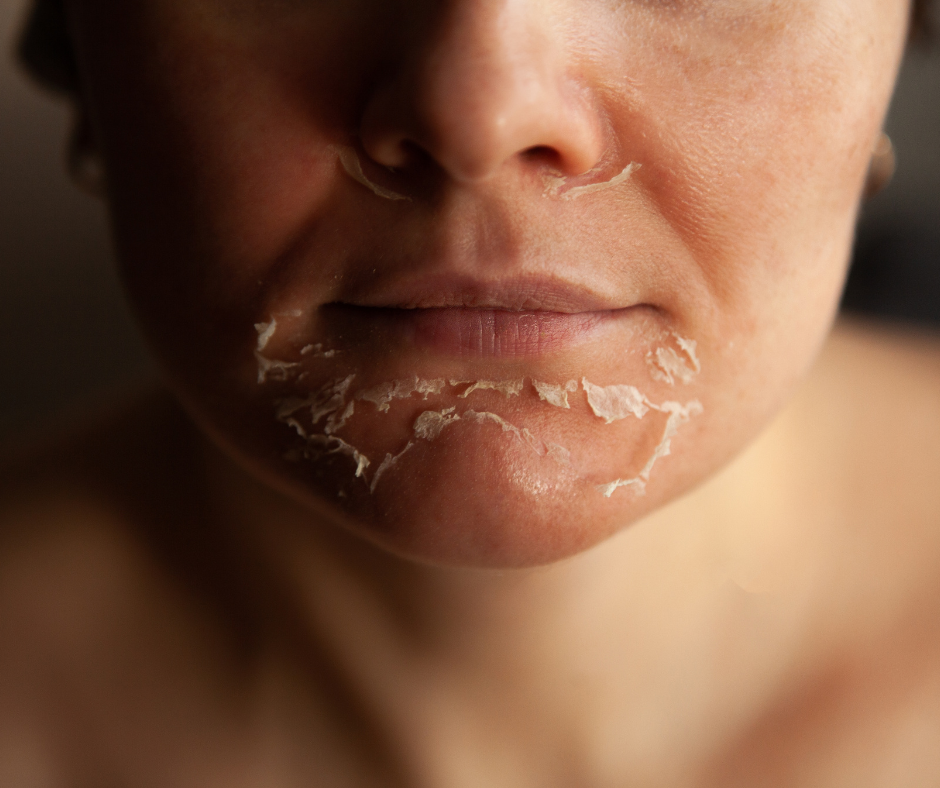
  • Delivered with little pain and fast results—visible peeling usually starts by Day 3 and is complete by Day 7

What to expect 

In terms of the treatment process and downtime, here’s what you should know:

  • In-clinic application Takes about 15 minutes. You will experience mild tingling and perhaps even a numbing effect.

  • Peeling phase — This begins around Day 3, and can last anywhere between two and five days.

  • Visible improvements —You should begin to see a marked difference in your skin’s appearance in about a week. Your skin will feel smoother and brighter.

  • Recommended course — For best results, you should have anywhere from two to four treatments, spaced four to six weeks apart, with maintenance every three to six months.  

Who should try it

Most people who do the treatment say their skin looks and feels very smooth, and any discolouration issues they were battling vanished. It’s an excellent treatment option for people who want to: 

  • Minimise hyperpigmentation issues

  • Improve their skin’s texture

  • Deal with acne scarring issues 

  • Minimise signs of premature ageing 

Important precautions 

Of course, there are exceptions to every rule, so you should steer clear of this treatment if: 

  • You are pregnant or breastfeeding

  • You have used medications containing isotretinoin, a type of retinoid that treats severe acne within the last three months

If you do opt for the peel, you must take the following precautions to avoid any complications: 

  • Strict sun protection post-treatment is vital 

  • The use of soothing moisturisers and SPF

  • Heavier barrier support (e.g. Vaseline or aloe vera) in instances of extreme dryness

The Perfect Derma™ Peel offers strong, noticeable results — brightening, smoother texture, and reduced hyperpigmentation — with moderate downtime. While this can be transformative, the process requires careful aftercare, which may involve some discomfort and skin purging, and a proper post-peel routine is of the utmost importance. If you’d like to find out more about what’s involved, just give us a call at (868) 622-7340