Contact Us

Use the form on the right to contact us.

You can edit the text in this area, and change where the contact form on the right submits to, by entering edit mode using the modes on the bottom right. 


123 Street Avenue, City Town, 99999

(123) 555-6789

email@address.com


You can set your address, phone number, email and site description in the settings tab.
Link to read me page with more information.

chris-lee-654655-unsplash.jpg

Elements

TURNING BACK TIME 

Janine Mendes-Franco

How Forma and PicoWay gently help your skin rewind

Turning back time once meant dramatic interventions, but today it looks very different — quieter, smarter, and more refined. Here’s a quick intro to two of our favourite treatments leading this shift…


Forma rewinds at the structural level
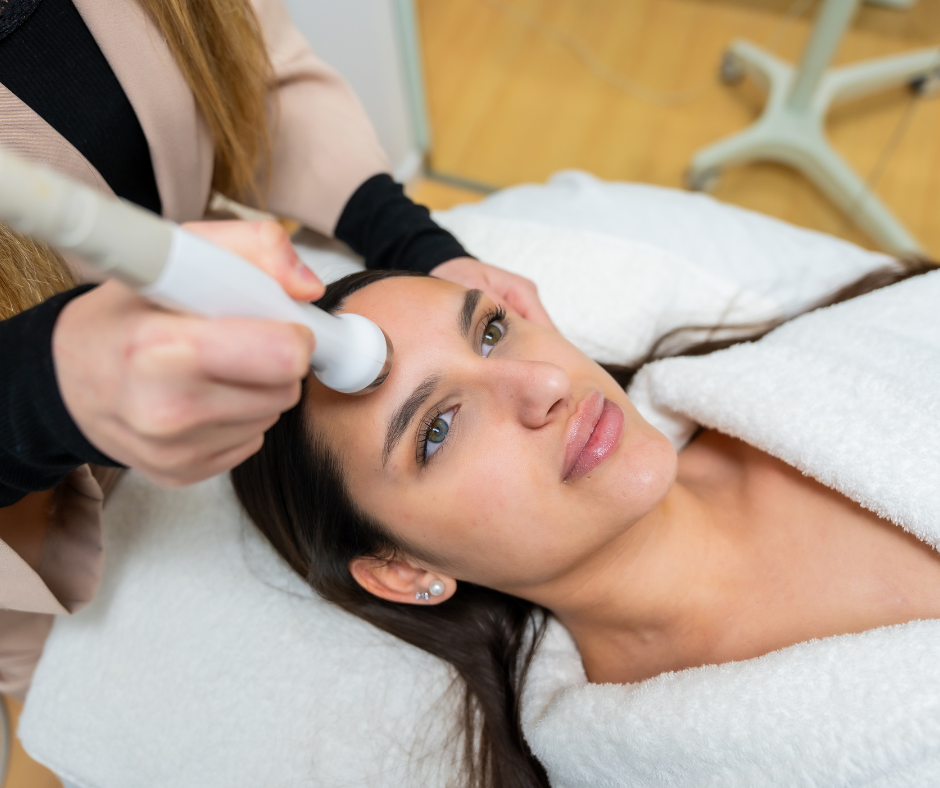
Ageing doesn’t start on the surface. It goes way deeper, to where collagen weakens, elasticity fades, and skin slowly loses its firmness — but guess what? This is precisely where the Forma radiofrequency facial does its magic. 

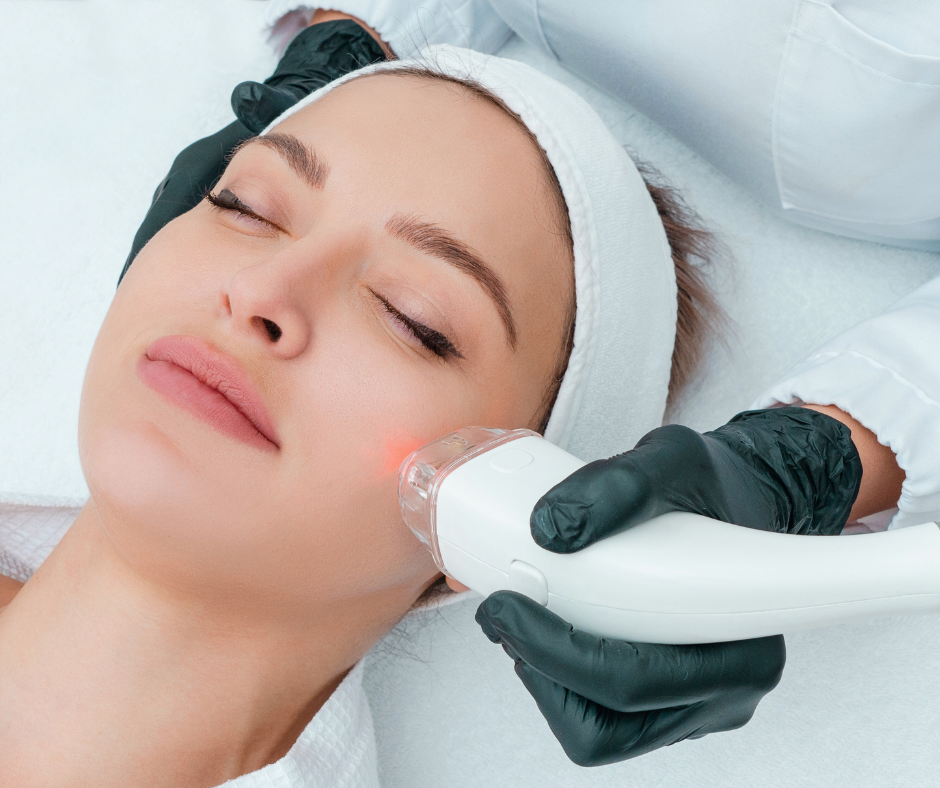
Using controlled radiofrequency energy, it heats the deeper layers of tissue, triggering collagen production and mild contraction. Over time, this creates a subtle tightening effect, restoring that natural, effortless “lift” of younger skin. 

It’s kind of like retraining your skin so that it becomes firmer, and feels denser and more supported. The result? 

  • Fine lines soften as the skin regains its bounce

  • You get a plumping, hydrated glow that makes skin look and feel refreshed, almost instantly

The icing on the cake? There’s no downtime. You can step out of a session and straight back into your day, looking quietly renewed.


PicoWay erases the effects of time 
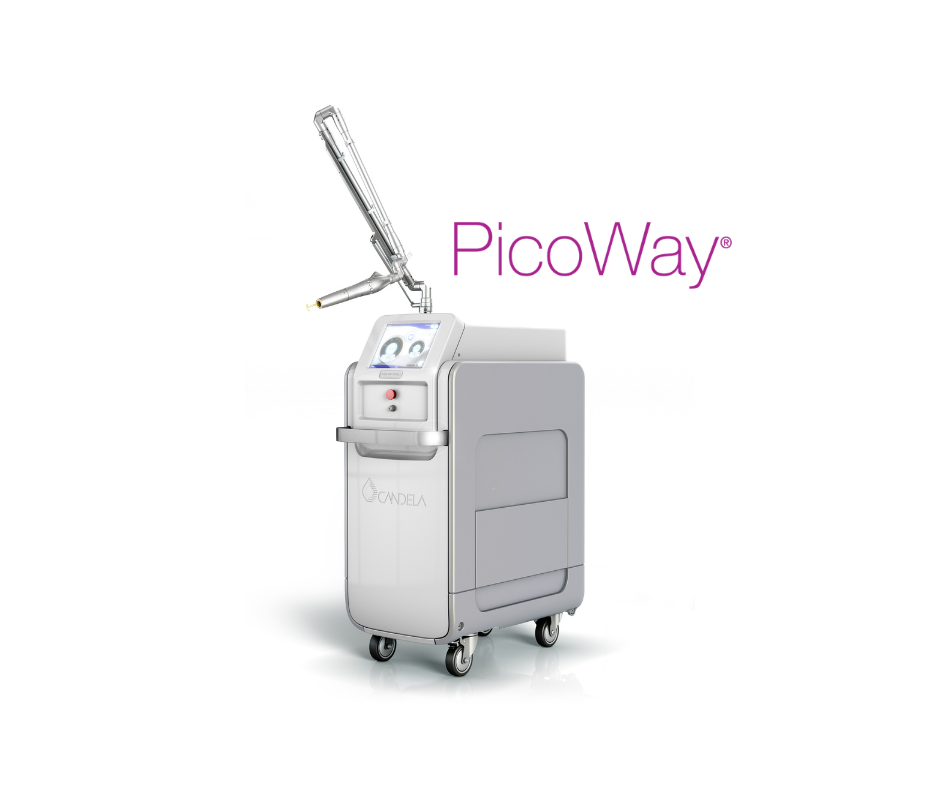
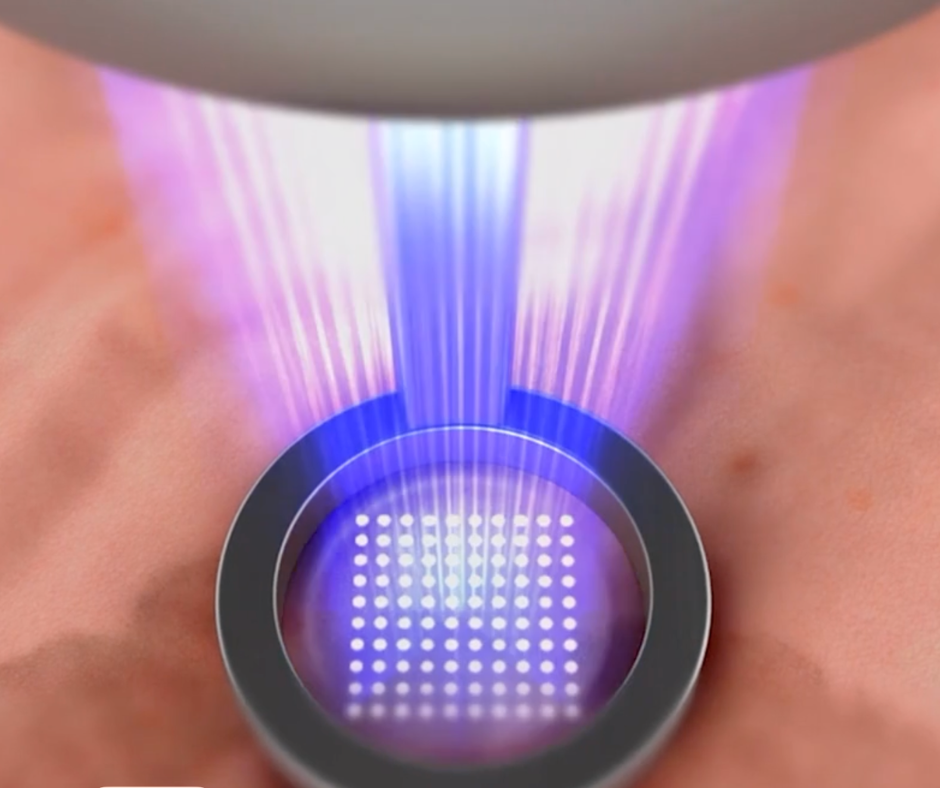
Where Forma rebuilds, the PicoWay laser refines. All those visible markers your skin accumulates over time — sun damage, pigmentation, acne scars, uneven tone — PicoWay targets, breaking down pigment and stimulating collagen:

  • Dark spots fade

  • Scars soften

  • Skin tone becomes visibly brighter, smoother and more even


A dual approach to time
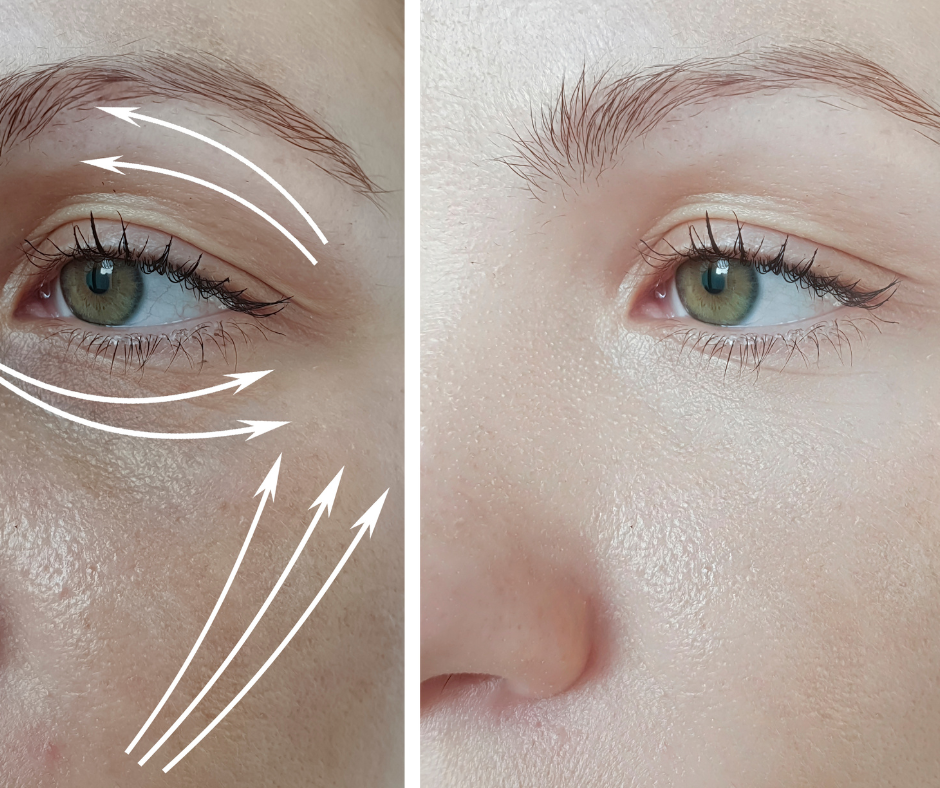
Forma and PicoWay’s effects are enhanced when used in conduction with each other, because the Forma facial lifts and firms from within, while PicoWay clears and refines on the surface. Signs of premature ageing, like laxity and fine lines, are addressed at two levels, as is accumulated skin damage like scarring and hyperpigmentation. 


Maintenance — not drastic change 
We all know that the best way to keep skin looking and feeling younger for longer is maintenance, which is what makes makes both these treatments especially compelling.

They’re not just corrective—they’re preventative. Regular sessions help:

  • Slow the visible signs of ageing

  • Keep collagen production active

  • Maintain clarity and smoothness

They’re ideal treatments to have before special events, as they’re totally non-invasive and give the skin a lifted, luminous, even-tone that more aggressive procedures are hard-pressed to match.

Because when it comes to turning back time, you don’t want to look different — just like yourself, on your best day. Forma and PicoWay can help get you there, gently, naturally, and most of all, convincingly — step by step.
YOUR SKIN BARRIER: THE HERO OF HEALTHY SKIN

Janine Mendes-Franco

(And how to save it when it’s under attack)

If your skin has suddenly become sensitive, tight, dull, or prone to breakouts and irritation, there’s a strong chance your skin barrier has been compromised. In clinic, we often see this with patients who take great care of their skin, but have unknowingly overdone it.

So what is the barrier anyway, how does it get damaged, and most importantly, how do we get our skin’s superhero strong enough to protect us again?

Barrier basics

Think of the barrier as a wall around the fortress of your skin. When it’s intact, it keeps moisture in and keeps irritants, allergens, and bacteria out. The result? A healthy, balanced microbiome. 

When it’s damaged, you may notice:

  • Certain products begin to sting or burn

  • Sudden dryness or flaking

  • Redness, inflammation or the appearance of acne

  • Increased sun sensitivity

Bad guys of the barrier

In our experience, the biggest culprits tend to be: 

  • Harsh cleansers

  • Overdoing it with both cleansers and exfoliation products (acids, scrubs, peels, or retinoids used too often and/or aggressively)

  • Skipping moisturisers

  • Environmental factors like sun and pollution

  • Frequent product switching (“skin-cycling” gone awry)

Barrier boosts

When it comes to repairing the barrier, less is more:

Step 1: Scale back

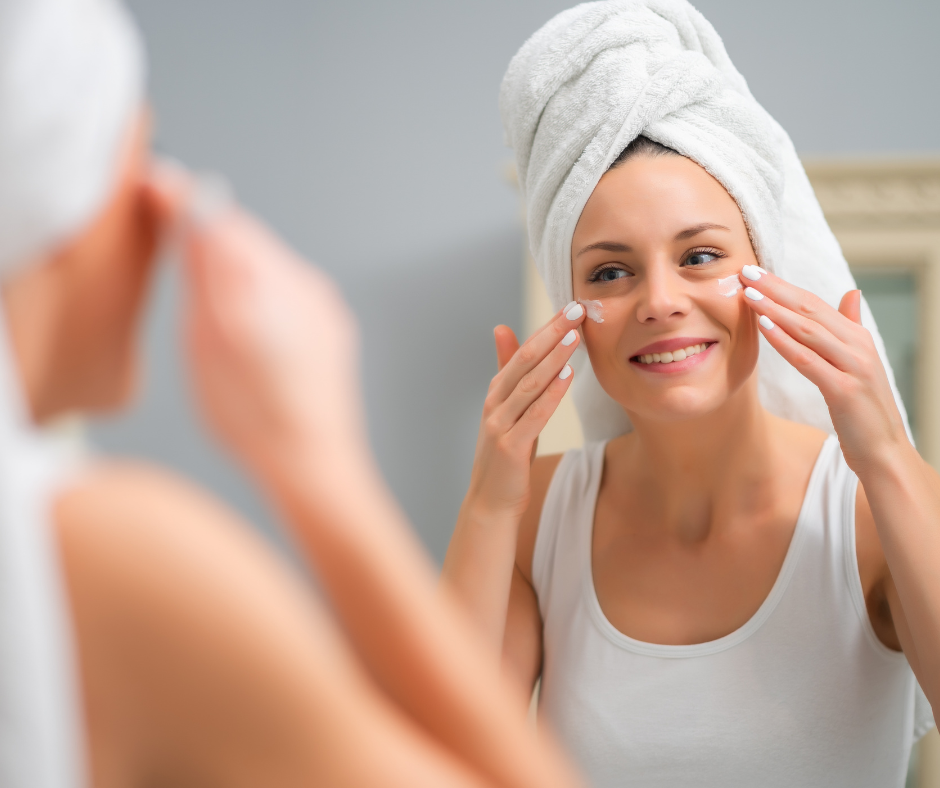
For two weeks to a month, keep your skincare routine simple: use a gentle, non-foaming, pH-balanced cleanser along with a rich moisturiser that promotes healing. You must also use a broad-spectrum sunscreen (SPF 30+) on your skin, regardless of whether or not you are outdoors. 

Step 2: Rebuild

Begin to integrate trusted products with ingredients that restore lipids and hydration:

  • Ceramides replenish structural lipids

  • Cholesterol and fatty acids support barrier integrity

  • Hyaluronic acid draws in hydration

  • Glycerin helps maintain moisture

  • A low percentage niacinamide reduces inflammation and supports barrier repair

Step 3: Hydrate

Be strategic:

  • Apply moisturiser on slightly damp skin so that it absorbs more effectively

  • Consider layering a cream over a hydrating serum at night

Step 4: Protect

Especially for those of us who live in the tropics, barrier repair requires sun protection:

  • Use SPF every day

  • Reapply regularly, especially if outdoors

Step 5: Reintroduce actives

Once your skin feels calm again, you can try reintroducing actives one at a time, once or twice a week. Buffer with moisturiser if needed. 

In-clinic treatments the barrier loves

Once the barrier is stabilised, certain professional treatments can accelerate recovery and improve overall skin function.

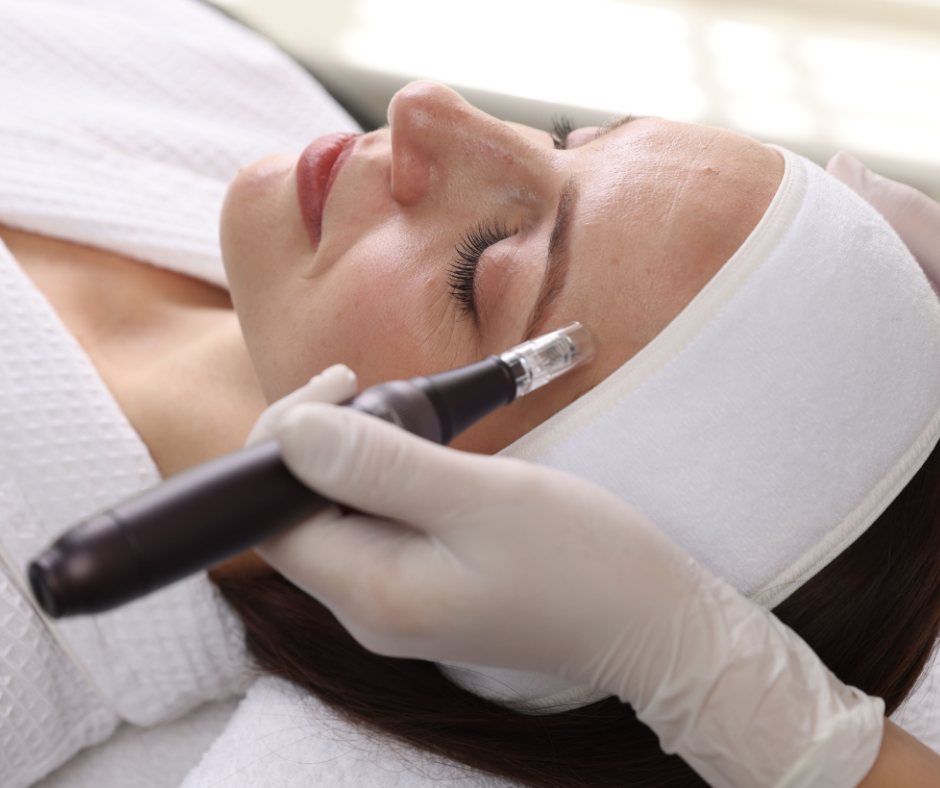
Microneedling with PRP (platelet-rich plasma)

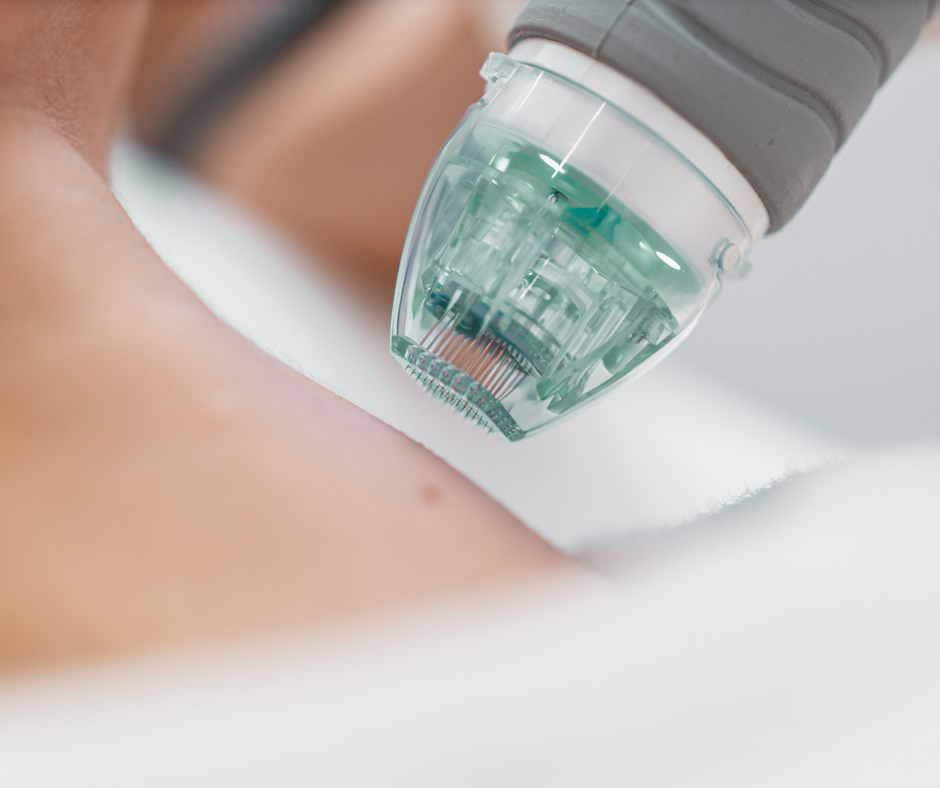
A super-effective regenerative treatment, microneedling with PRP uses your body’s own growth factors to stimulate collagen and jump-start the healing process. You’ll notice an overall improvement in skin texture, tone, and resilience — but timing is important This is not a treatment we recommend for actively inflamed skin.

Best for:

  • Barrier repair strengthening

  • Dull, stressed, or ageing skin

Microneedling with added growth factors

This treatment can be either an alternative or a complement to PRP, as topical growth factors enhance repair signalling and support faster recovery and improved skin quality.

Best for:

  • Regenerative benefits 

  • Enhancement of post-treatment healing

LED facial

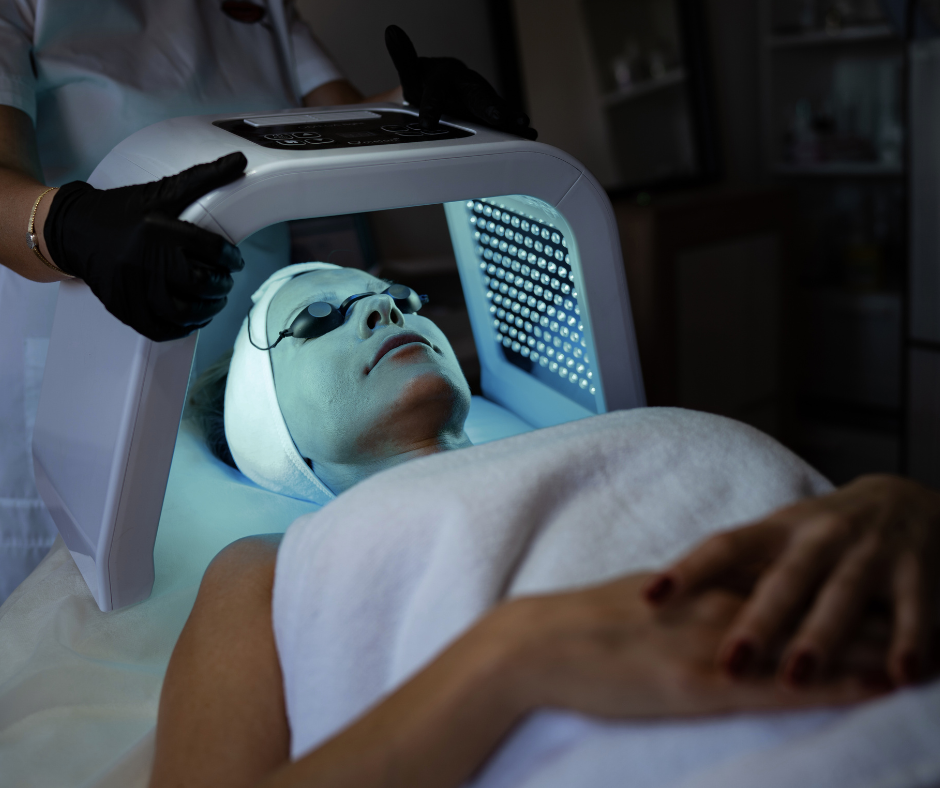
This gentle, non-invasive treatment stimulates cellular activity without further disrupting the barrier. The red light therapy reduces inflammation and supports healing, while the blue light helps eliminate acne-causing bacteria.

Best for:

  • Sensitive, inflamed, or reactive skin

  • Barrier maintenance

Medical-grade hydrating facials

Any facial that uses barrier repair serums, minimal exfoliation, and deep hydration will go a long way to restoring the integrity of your skin. 

Barrier bottom line

Healthy skin depends on a balanced barrier, so before you go chasing glow, brightness, or anti-ageing results, focus on resilience.

Remember: 

  • More products do not necessarily equate to better skin

  • Tingling often signals irritation (as opposed to being a sign something is “working”) 

  • Consistency beats intensity, so be patient — barrier repair can take weeks, but it’s always worth the wait. 

When your barrier is strong, actives work more effectively, your skin tolerates treatments better, and results last longer. 

GO BEYOND THE BREAKOUT

Janine Mendes-Franco

Understanding acne

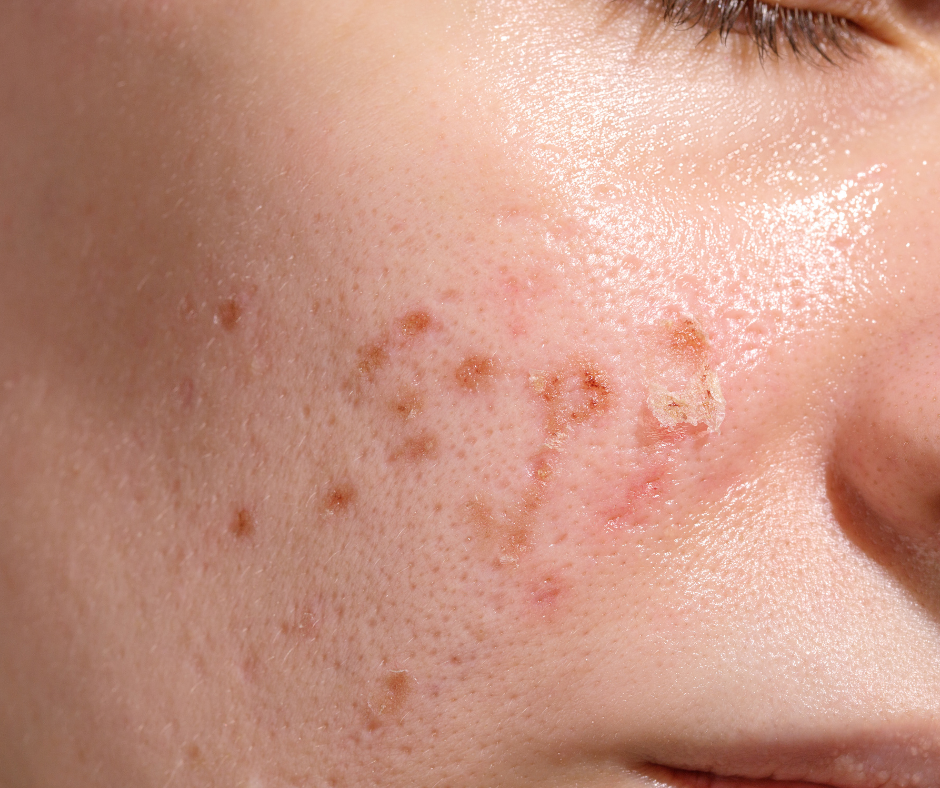
Acne develops when pores become clogged with oil, dead skin cells, and bacteria. But what happens after the inflammation settles is just as important. Many patients, especially those with melanin-rich skin, experience post-inflammatory hyperpigmentation (PIH) — stubborn dark marks that can stay long after a breakout heals if not properly treated.

Treating PIH with professional peels

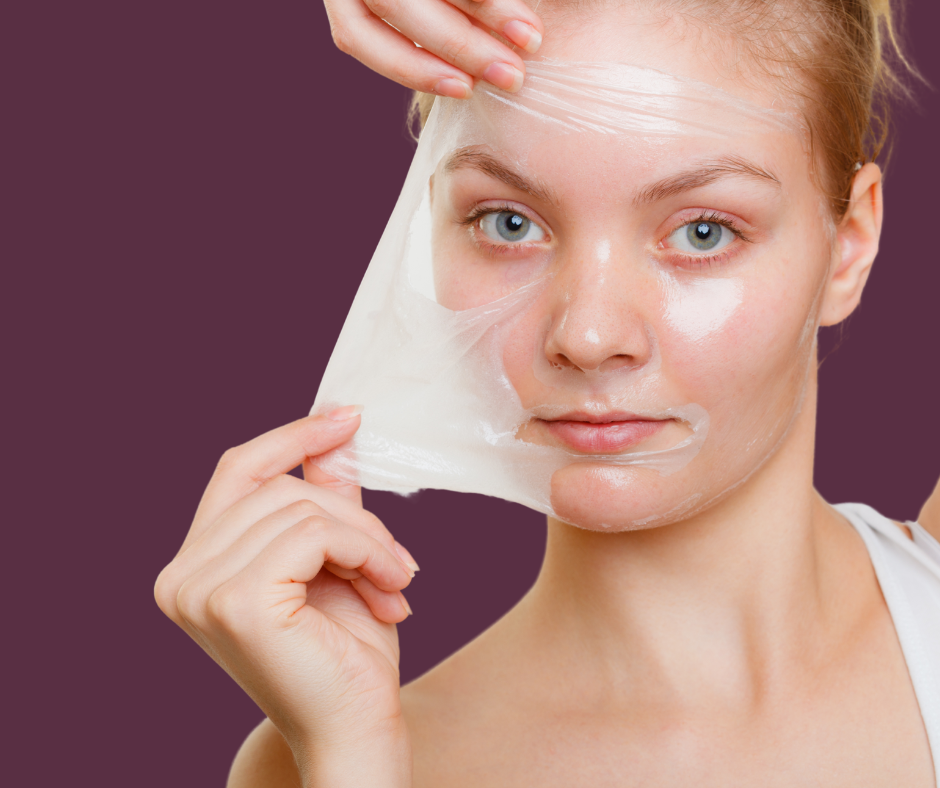
Chemical peels are great at reducing the appearance of acne marks because they work with your skin’s natural renewal process, helping it shed discoloured cells and reveal fresher, clearer skin underneath. These targeted, medical-grade peels: 

  • Gently exfoliate the skin

  • Speed up cell turnover

  • Break down excess pigmentation  

  • Brighten and even out skin tone

They usually include ingredients like alpha and beta hydroxy acids (AHAs and BHAs), and pigment-correcting agents. After these treatments, patients typically notice:

  • Faster fading of dark spots

  • Smoother skin texture

  • A more radiant, even complexion

Best of all, these treatments are safe and customisable for Caribbean skin tones.

The power of PicoWay 

For persistent acne, textural scarring, and more resistant pigmentation, the PicoWay laser’s ultra-short, picosecond pulses deliver energy into the skin without excessive heat. This allows us to effectively treat pigmentation and stimulate collagen while reducing the risk of complications in darker skin tones. 

There’s also minimal downtime, as the laser:  

  • Targets and breaks up stubborn pigmentation (including PIH)

  • Stimulates collagen to improve acne scars

  • Refines overall skin texture

  • Supports clearer, healthier-looking skin over time

For patients dealing with acne scarring, collagen stimulation is key. Over a series of treatments, the skin becomes smoother, firmer, and more even, with noticeable improvement in both marks and texture. 

Your skin, your way 

Because everyone’s skin is unique, the best results come from a combination approach, that includes: 

  • Managing active acne

  • Using peels to fade marks

  • Incorporating laser treatments for deeper correction

This layered strategy allows us to treat acne at every stage, from breakout to recovery — because truly healthy skin is about restoring balance, clarity, and confidence.

CELEBRATE OUR 100th ISSUE & WIN BIG!

Janine Mendes-Franco

Submit your biggest skin question for the chance to WIN a FREE facial!

Here’s how:

Share your question to your story anytime between now and March 31, 2026

Not only will we answer the question that most speaks to us, but you could walk away with the ultimate skin reset — a glow-boosting facial, absolutely FREE!

WHAT WE SEE AS THE FUTURE OF SKINCARE

Janine Mendes-Franco

Over the past 100 issues, we’ve dismantled myths, elevated understanding, and navigated dermatological and aesthetic trends — but the future of skin health is about anticipating what’s next — so here’s where we see dermatology heading, and what it means for you and your skin.

1. Regenerative treatments

The future of aesthetics lies in stimulating the skin’s own biology — not just adding volume or masking lines. Therapies like exosomes, biostimulatory injectables, and advanced collagen-triggering treatments are anticipated to become mainstream, as they focus on quality of tissue, as opposed to artificial fullness.

Think prejuvenation over rejuvenation — preventative, early-intervention approaches that protect tissue and delays ageing rather than reverses it.

2. Digital dermatology 

Digital and advanced imaging tools are transforming consultations and making skin analysis even more data-driven, individualised, and predictive. AI tools will be able to help us tailor treatments based on things like pigment behaviour and ageing patterns, making dermatology even more personalised.

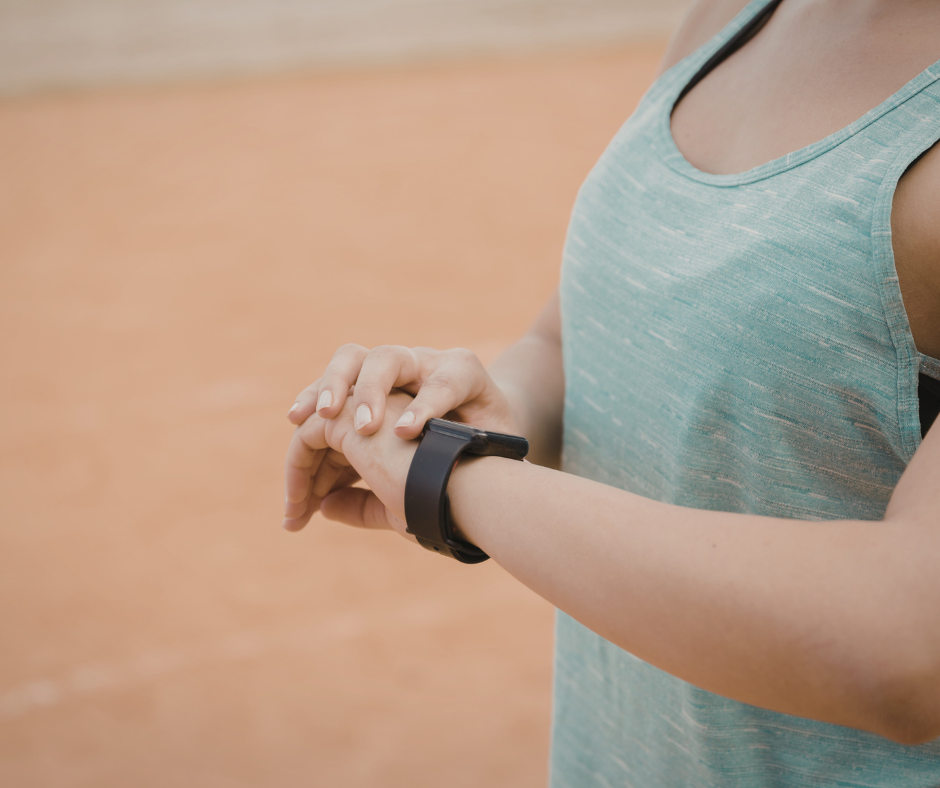
When you think of wearables, for instance, your Apple Watch or fitness tracker probably comes to mind, but dermatology takes it a step further with the continuous monitoring of skin-related data. Think UV exposure trackers that measure sun exposure or patches that detect inflammation and deliver medication in eczema or acne-prone skin. We also see teledermatology and remote monitoring becoming way more popular, as it can allow for quicker screenings and faster turnaround times. 

3. Personalised skin health

We have always prioritised skin function, resilience, and longevity over quick fixes and surface beauty that doesn’t extend to the skin’s deepest layers. Approaches like LED therapy, microbiome-focused skincare, and barrier-strengthening regimens reflect a shift toward the comprehensive skin health we’ve always advocated for.

4. Non-invasive, combo treatments 

Minimal downtime, visible results, and safety — these are the hallmarks of the next phase of dermatology. Treatments like radiofrequency microneedling, ultrasound tightening, and stacked protocols, where multiple modalities work synergistically, are becoming more in demand — and for good reason. Convenience and effectiveness is a combination that can’t be beat! 

5. Skincare going hand in hand with wellness

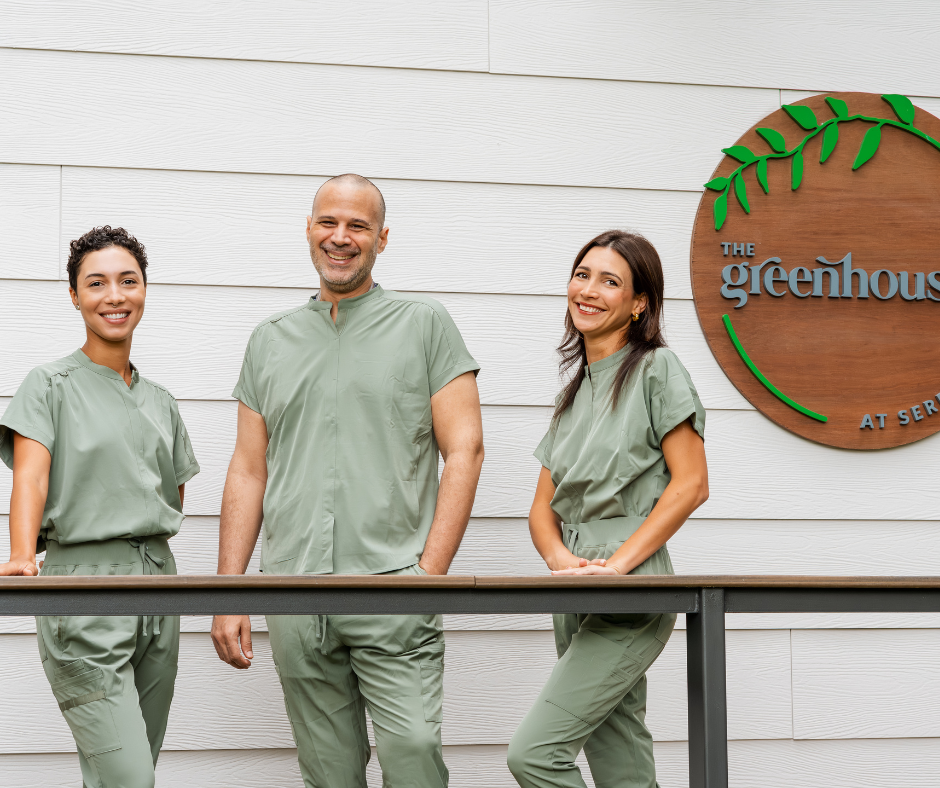
With the launch of The Greenhouse at Serpentine, we’re well ahead of the game here, because there’s a definite trend towards wellness in maintaining optimum skin health. Calm, restorative, holistic approaches that recognise how much stress and environment shape skin outcomes can do wonders in achieving more resilient skin.

6. Inclusivity and diversity

When it comes to aesthetics, we see the next phase evolving to embrace all skin types, tones, textures, and goals. This is great news for us in the Caribbean, where our skin is melanin-rich. We hope the days of darker skin hues having to avoid certain treatments will soon be gone!

7. Sustainability meets science

As consumer values evolve, especially in light of the current climate crisis which exponentially affects regions like ours, we anticipate the continued growth of eco-conscious formulations and ethical practice, whereby products are effective, safe, and responsibly produced — and if that’s where the future of skincare is headed, we can’t wait!