Contact Us

Use the form on the right to contact us.

You can edit the text in this area, and change where the contact form on the right submits to, by entering edit mode using the modes on the bottom right. 


123 Street Avenue, City Town, 99999

(123) 555-6789

email@address.com


You can set your address, phone number, email and site description in the settings tab.
Link to read me page with more information.

chris-lee-654655-unsplash.jpg

Elements

OUR TOP 10 SKINCARE LESSONS FROM 100 ISSUES

Janine Mendes-Franco

A hundred issues ago, our “Elements” newsletter began with a simple goal: offer clear, practical, scientifically supported skincare advice to empower our patients to understand their skin and advocate for themselves. 

Since 2017 — nearly 10 years ago now! — trends have exploded and ingredients have gone viral, but after 100 issues, some sage advice rises above the noise.

Here are the Top 10 truths about healthy skin that have stood the test of time.

1. Sunscreen is critical 

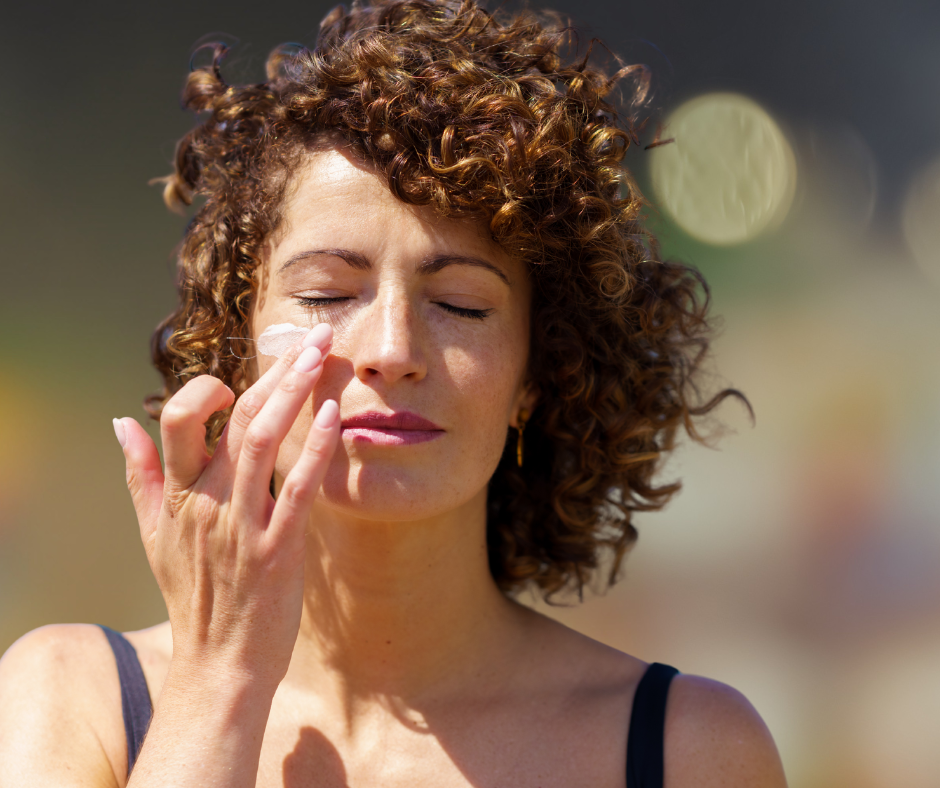
Daily ultraviolet exposure, especially in a tropical climate like the Caribbean, causes pigmentation and premature ageing, and increases skin cancer risk. No matter what skin type you have, even incidental sun exposure — driving, walking, sitting by a window — accumulates. So much damage can be avoided by simply taking the time to apply a broad spectrum sunscreen every day, with 30+ SPF at the bare minimum, whether or not you are outdoors. 

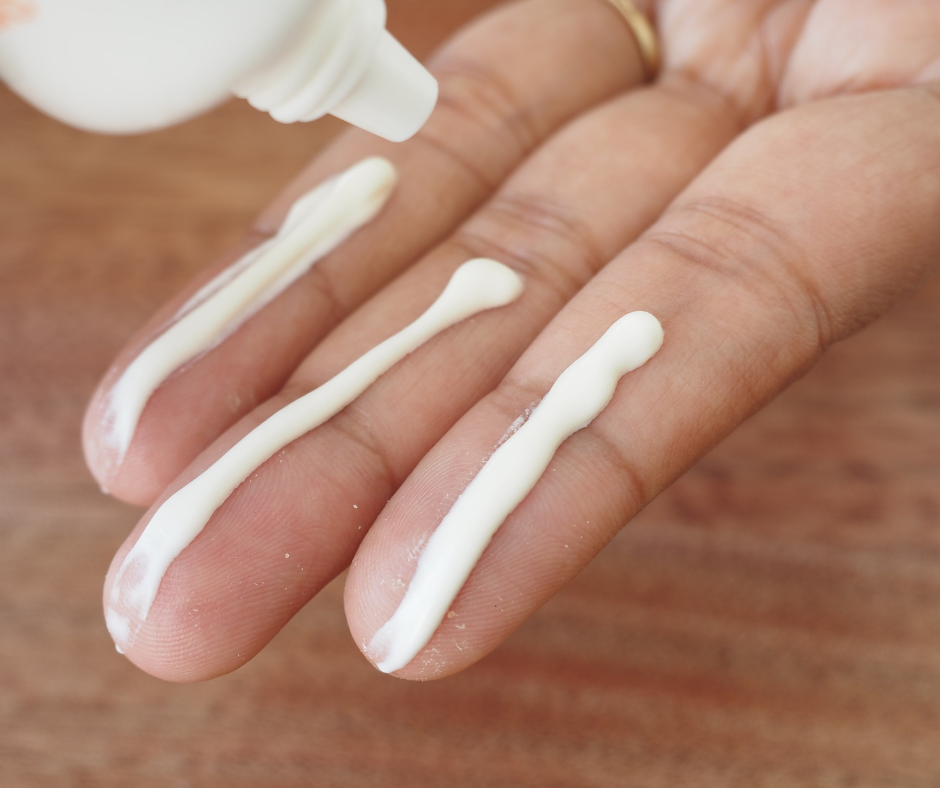
Consistency is the key, and we have a wide range of super-effective sunscreens that protect skin without feeling heavy:     

  • Apply 2 finger lengths to the face and neck area 

  • Apply 1 ounce over the rest of your body 

  • Reapply every 2 hours, even if its water resistant

2. The barrier is everything

When your skin’s barrier is compromised, it’s as if the protective wall of the fortress has been broken down. Even seemingly mild skin issues — acne, eczema, hyperpigmentation — become heightened. 

Your first instinct when dealing with challenging skin conditions is to do whatever it takes to make it disappear, but exfoliation — whether chemical or physical — can be overused; most skin needs much less than it’s probably getting.

The good news is that the barrier can be be restored over time with a combination of gentle cleansing and moisturising, with a sprinkling of actives and the use of lasers

3. More stuff doesn’t mean better skin
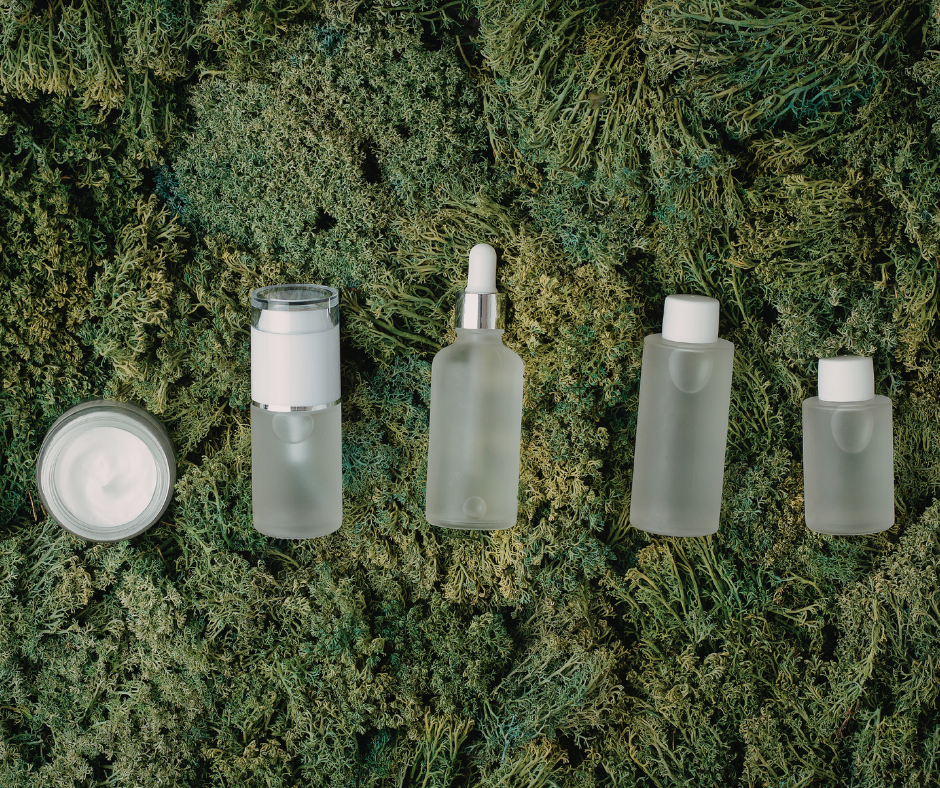
There’s wisdom in “less is more”; most skin responds better to simple but effective routines using a few trusted products. 

Without a guided strategy that you’ve discussed with your dermatologist, layering products like acids, retinoids, exfoliants, and actives can cause irritation, disrupt the skin’s barrier, and even bring on post-inflammatory hyperpigmentation — especially in melanin-rich skin. Your skin isn’t impressed by complexity; it responds to balance.

Talk to your dermatologist about the best combination of products to bring out the best in your skin.

4. “Natural” isn’t necessarily safer 
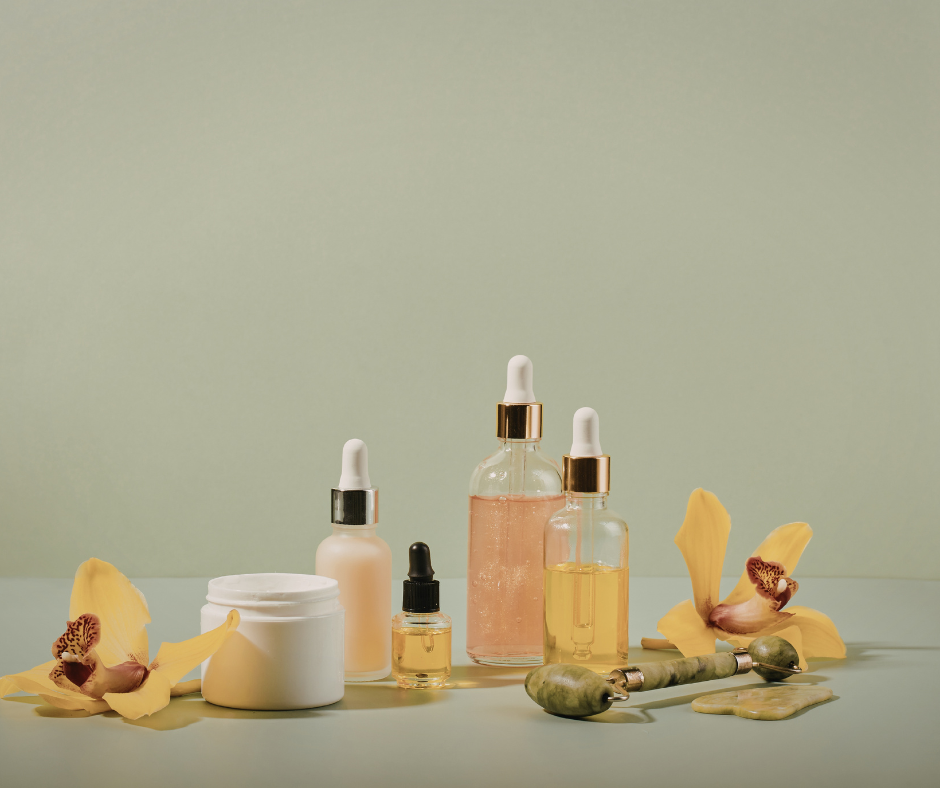
Educate yourself and understand what labels mean. While botanical ingredients, for instance, can be beneficial, they can also be irritating, allergenic, or even phototoxic. Ingredients matter, but formulation matters more: 5% niacinamide in a well-designed and clinically tested product, for instance, behaves differently from niacinamide thrown into a trendy serum.

Dermatology is not anti-nature; it’s pro-evidence — so the source of an ingredient matters less than how it behaves on human skin. It’s why we trust the products we recommend, and why we make those recommendations based on every patient’s unique skin type and condition.

5. Not everything is instant
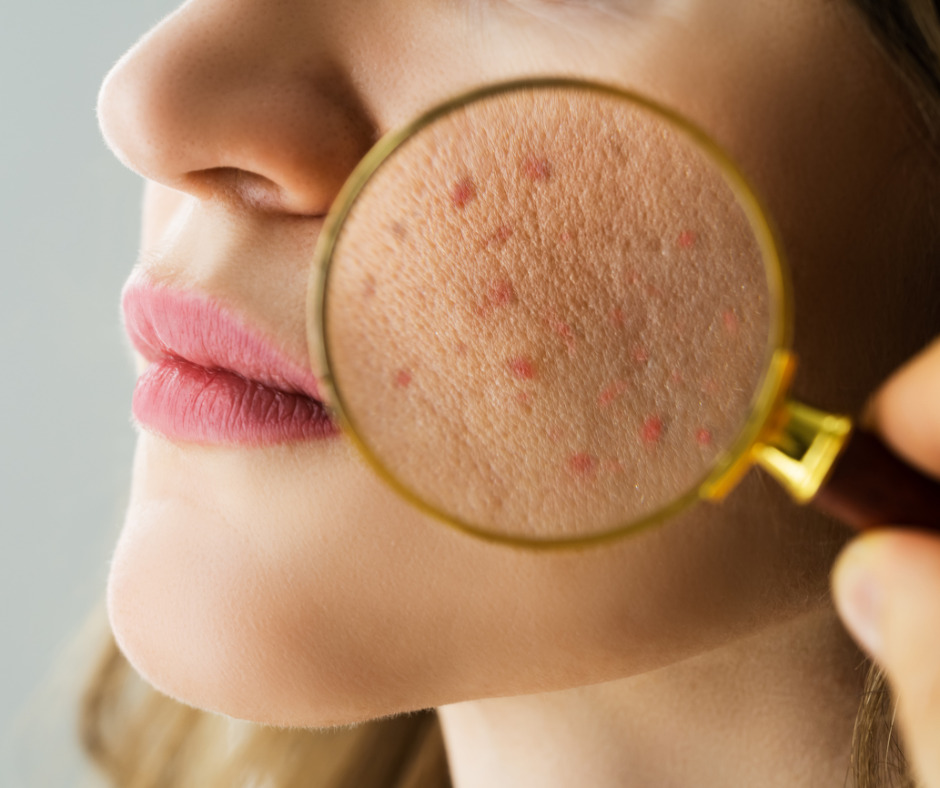
Some skin conditions — like acne or hyperpigmentation — are tough and stubborn; treating them requires precision and yes, time. While it can be really hard to live with your skin while it’s going through the healing process, patience is your friend. 

The dark marks left behind from acne, shaving, inflammation, sun exposure, or pigmentation in darker skin tones often requires:

  • Strict photoprotection

  • Targeted topical therapy and 

  • Avoidance of unnecessary irritation

Real change takes weeks, sometimes months. If it works overnight, it’s probably not progress; rather, it can contribute to barrier damage. Bottom line? There are no overnight solutions, but there are predictable, evidence-based pathways.

6. Trends change; skin biology does not
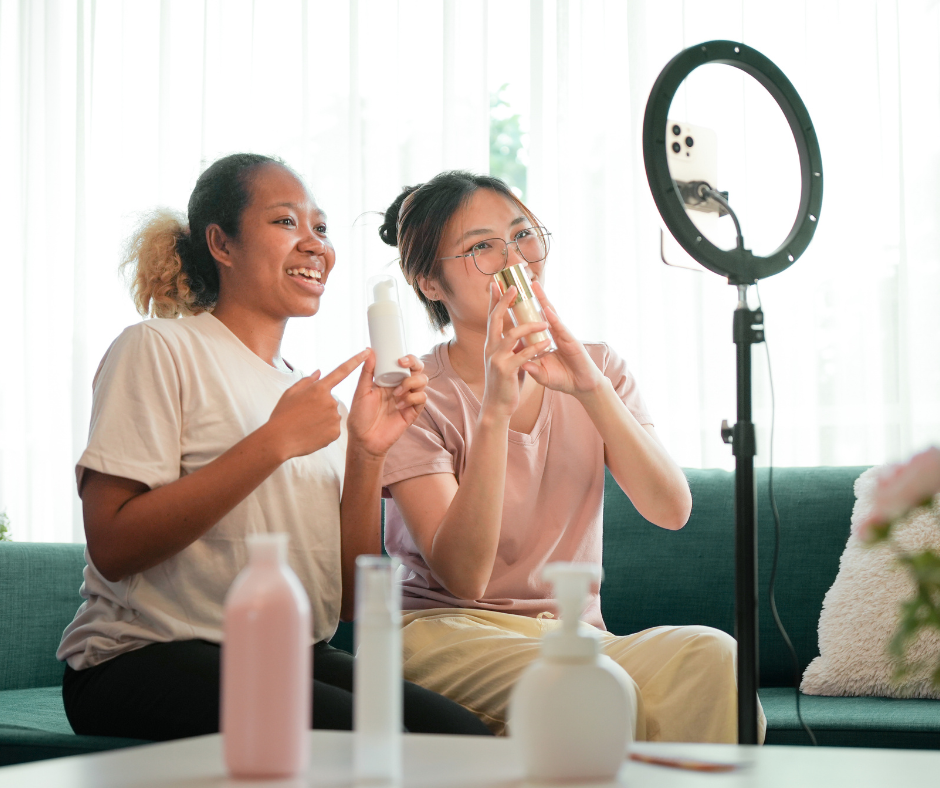
Every month, there’s some new skin trend on on SkinTok, even though the physiology of the epidermis remains the same. 

The core principles we’ve been preaching for the last 100 issues of our newsletter — sun protection, gentle cleansing, appropriate moisturising — have remained foundational. So the next time you think about ice rolling or using animal fat as a moisturiser, remember that trends may be fun, but they rarely replace fundamentals.

7. Caribbean climate matters

One of the reasons we first decided to do this newsletter is that there was a real absence of available advice for Caribbean skin. Skincare approaches that work in temperate environments do not always translate to humid climates like ours, where heat, sweat, friction, environmental factors and UV intensity affect how skin conditions manifest themselves, e.g.: 

Dermatology is definitely not one-size-fits-all; where we live shapes how our skin behaves. 

8. Prevention is better than cure 

It is easier to prevent pigmentation than to erase it, simpler to protect collagen than to rebuild it, and less challenging to maintain barrier function than to repair it. 

Preventive care — like being vigilant about sunscreen — may feel less dramatic, but it’s definitely more impactful in the long term.

9. Skin reflects systems 

Dermatology is not isolated from overall health. In fact, the skin is often the first place that symptoms of disease show up. Skin health is inextricably linked to other things, including hormones, stress, sleep quality and nutrition.

If you want glowing skin, you’ve got to pay attention to your health in a holistic, well-rounded way — which is why we introduced The Greenhouse at Serpentine, to offer you new pathways to good health with personalised guidance for your physical, mental, and emotional well-being.

10. Evidence builds trust

After 100 issues, perhaps the most enduring lesson is this: skin is a sensitive topic. It impacts our identity, confidence, and how we move through the world, which is precisely why we feel so passionately about supporting the work we do with scientific facts. 

The practice of evidence-based dermatology is about responsibility. We know you want so much more than clear skin; you want clarity — so in order to help you better understand your skin, we’ll continue our commitment to educating and empowering you through this space

A MESSAGE FROM DR. ABRAHAM-ALI

Janine Mendes-Franco

When we started Serpentine Dermatology’s monthly newsletter, it came from a very simple place: I wanted patients to feel informed, not overwhelmed.

Every day in clinic, I meet people who are trying their best — trying the latest trend, the loudest promise, the most convincing social media advice. But skin health shouldn’t feel confusing or intimidating; rather, it should feel grounded and empowering.

Skin education, to me, is about partnership. It’s about giving you the knowledge to understand what’s happening in your own skin, why we recommend certain treatments, and how to make choices that truly serve your long-term health. When you understand the “why,” you feel more confident — and that’s exactly why we named the newsletter Elements

Healthy skin isn’t built on one miracle product, quick fix or cure-all. It’s built on the essential elements — not just the quality ingredients that go into the products we use, but the principles of protection, consistency, evidence-based care, and understanding your unique skin biology. When that’s clear, everything else falls into place.

Your skin deserves more than hype. It deserves scientific approaches that have been studied, tested, and proven safe and effective. Trends will come and go, but sound dermatologic principles stand the test of time.

My hope has always been that Elements becomes a trusted space, where information is accurate, practical, and enlightening. One hundred issues later, we’re proud to see how many of you have equipped yourselves with the knowledge we share, and use it to advocate for your own skin health. Here's to the next 100! 

6 SUNSCREEN MISTAKES NOT TO MAKE FOR CARNIVAL

Janine Mendes-Franco

Protect yourself to like yourself

Living in the land of Carnival, sun protection should be second nature. Yet sunscreen remains one of the most misunderstood (and misused!) parts of skin care. While part of the challenge is certainly remembering to apply sunscreen, the other part of the equation is how you’re doing it, so before you hit the road, remember these rules… 

1. No matter how dark your skin is, it needs sunscreen

While darker skin contains more melanin, offering some natural protection against UVB rays, it is not immune to:

  • UVA damage (which causes premature ageing and skin cancer)

  • Hyperpigmentation

  • Melasma

  • Sun-triggered inflammatory conditions

In fact, sun damage in darker skin often shows up later, as stubborn hyperpigmentation or uneven tone that is difficult to treat. Sunscreen is essential for all skin tones.

2. Sunny or not, sunscreen is non-negotiable

In the Caribbean, UV exposure is high year-round, even on cloudy or overcast days. Up to as much as 80% of UV rays can penetrate cloud cover, which means your skin is still exposed during:

  • Overcast weather

  • Short, outdoor errands

  • Car trips or sitting near windows

Daily sunscreen use should be as routine as brushing your teeth.

3. Application matters 

Most people apply less than half the amount of sunscreen needed for proper protection. As a general guide:

  • Face and neck — 2 finger-lengths of sunscreen

  • Body — 30–35 ml (enough to fill a shot glass)

Applying too little dramatically reduces the level of protection — even if the SPF number is high.

4. Don’t rely solely on the SPF in makeup or moisturisers

While the SPF built into these products can contribute to protection, they are not sufficient on their own. Because they are usually applied too thinly to provide the stated SPF, they should be used in addition to a dedicated sunscreen. Think of them as a bonus layer — not your primary defence.

5. Remember to reapply

In tropical climates like ours, sunscreen breaks down faster due to sweat, heat, and humidity. Sunscreen should therefore be reapplied:

  • Every 2 hours when outdoors

  • Immediately after heavy sweating, swimming, or any water-based Carnival event 

Just because some sunscreens are water-resistant does not mean they are waterproof.

6. Don’t skip the sunscreen even if you have a breakout 

Many people skip sunscreen because older formulas felt greasy, clogged their pores, or caused irritation. Modern sunscreens have changed the game, offering a range of formulations to suit every skin type and condition: 

  • Lightweight gels

  • Fluid emulsions

  • Non-comedogenic formulations

  • Mineral options for sensitive skin

Believe it or not, skipping sunscreen can worsens acne, cause post-inflammatory hyperpigmentation, and increase skin sensitivity over time. Of course finding the right formula matters — and we’re happy to help you with that — but skipping protection altogether causes more harm than good.

What to look for in a Carnival-friendly sunscreen

When choosing a sunscreen for two days on the road, look for:

  • Broad-spectrum (UVA and UVB protection)

  • SPF 30 or higher

  • Lightweight or gel-based textures

  • Non-comedogenic formulas

  • Water resistance

A sunscreen you’ll wear consistently is more effective than one with a higher SPF that stays on the shelf.

At Carnival, sunscreen isn’t optional — it’s foundational skin care. Using it correctly not only protects you against sunburn, it also helps prevent premature ageing, pigmentation issues, and long-term skin damage, but you have to be consistent. Even the smallest changes in how you apply sunscreen can make a significant difference to your skin’s health over time.

WHAT DOES IT REALLY MEAN TO ‘LOVE THE SKIN YOU’RE IN’?

Janine Mendes-Franco

We give you some guidance

You’ve been told to “Love the skin you’re in”, but when you’re managing conditions like acne, eczema, hyperpigmentation, scarring, hair loss, or visible signs of ageing —all of which bring their own set of challenges — you also need a roadmap on how to get there.

Loving your skin is not about ignoring concerns or striving for perfection. It’s about building a healthier, more informed, and more compassionate relationship with your skin, supported by medical expertise.

Care, not cover-up

Far from being rooted in personal failure, most skin concerns are rooted in factors like genetics, hormones, inflammation, stress, or even environmental exposure.

That’s why our focus is on first identifying the underlying causes of skin conditions, making sure you understand them, and then creating treatment plans that are realistic, evidence-based, and tailored to your unique lifestyle.

A lot of patients come to us after years of over-corrective skincare — harsh products, aggressive routines, or trying a series of trends that promise instant results but deliver very few. We believe in supporting skin health, not punishing the skin for behaving imperfectly. 

Depending on individual needs, this may include:

  • Medical acne management and scar reduction

  • Care for chronic inflammatory conditions like eczema or psoriasis

  • Treatment plans for hyperpigmentation and uneven skin tone

  • Anti-ageing treatments focused on skin integrity, texture, and long-term health

  • Guidance for sensitive or reactive skin

Our treatment plans always balance efficacy with skin barrier protection, helping you to feel safer and more confident in your skin. 

Education that empowers

A key part of loving the skin you’re in is learning how to work with your skin, not against it, which is why we place such strong emphasis on patient education. If you search our Newsletter section, you can find useful information on practically every topic affecting Caribbean skin

We are believers in simplifying skincare routines to avoid irritation and burnout, as well as setting realistic timelines for improvement. Skin health is a marathon; not a sprint. When you begin to understand flare-ups and setbacks as part of the process, you’ll begin to have a more intimate relationship with your skin, knowing when to rest it and when to treat it. 

Skin neutrality

Naturally, not everyone feels ready to “love” their skin, particularly during active flare-ups or visible changes. That’s okay; we totally get that on some days, the goal is skin neutrality — accepting your skin as it is today, yet caring for it consistently without judgement, and being open enough to allow progress to happen gradually. 

Nothing worth waiting for comes all at once. In fact, the ups and downs that come with every skincare journey often lead to better adherence, healthier expectations, and improved outcomes over time. 

When you define your skin not as “good” or “bad” but rather, worthy of time, care, and compassion, your skincare is well on its way to being sustainable, and your skin will begin to see the effects. 

Glowing skin is a partnership

For us, loving the skin you’re in means supporting you through your treatment as you learn to care for your skin with patience and respect. Like everything else in life, your skin changes over time—and this is completely normal. 

Healthy skin can’t be measured solely by appearance; other things like comfort and confidence matter too.  Our job is to walk alongside you as a trusted partner in your skin journey, because when you feel supported — medically and emotionally — you’re far more likely to feel at home in your own skin.

YOUR 6-WEEK CARNIVAL GLOW GUIDE

Janine Mendes-Franco

Bring out your inner Carnival Queen!

Carnival may be a celebration, but let’s be real — it’s also a workout! Between sun, sweat, makeup, and long days on the road, your skin needs a survival strategy, so here’s our simple, dermatologist-approved, 6-week glow schedule to get your face and body looking smooth, bright, and road-ready

Week 1 — Reset and assess

It’s a New Year, so this week is about clearing the slate:

The goal? Calm, balanced skin that’s ready for treatments.

Week 2 — VI Peel for glow and texture

A VI Peel is the perfect Carnival starter:

  • Brightens and evens skin tone

  • Smooths skin texture

  • Softens fine lines

Expect to see light peeling within 3-5 days, and a fresh, radiant finish after. Take advantage of our January VI Body Peel special! 

The goal? Smooth, even-toned, and visibly refreshed skin.

Week 3 — Tackling hyperpigmentation

Laser pigment removal treatments are your go-to game, highly effective for targeting dark spots caused by:

Get 15% OFF GentleMax laser pigment removal on your hands and arms this month! 

The goal? Flawless, touchable, silky skin.

Week 4 — Laser hair removal 

Is it even Carnival without unwanted hair removal? Treat popular areas like:

  • Underarms

  • Bikini

  • Legs

  • Chin/face 

Get amazing discounts on various laser hair removal sessions throughout January! 

The goal? Long-term hair reduction and impeccable Carnival prep.

Week 5 — Hydration and skin barrier boost

Let your skin chill. Focus on:

The goal? Strength, stability, and getting your glow in gear.

Week 6 — Road-ready polish

The final touches:

The goal? From top to toe, your healthiest, most beautiful, confident Carnival skin.

Carnival isn’t just vibes, it’s self-care

In 6 simple weeks, you can glow all day and all night! Also be sure to try The Greenhouse at Serpentine for a range of well treatments that have unexpected Carnival benefits, from reducing bloating, pumping up collagen, and boosting energy! 

Happy Carnival!