
OUR TOP 10 SKINCARE LESSONS FROM 100 ISSUES
Janine Mendes-Franco
A hundred issues ago, our “Elements” newsletter began with a simple goal: offer clear, practical, scientifically supported skincare advice to empower our patients to understand their skin and advocate for themselves.
Since 2017 — nearly 10 years ago now! — trends have exploded and ingredients have gone viral, but after 100 issues, some sage advice rises above the noise.
Here are the Top 10 truths about healthy skin that have stood the test of time.
1. Sunscreen is critical

Daily ultraviolet exposure, especially in a tropical climate like the Caribbean, causes pigmentation and premature ageing, and increases skin cancer risk. No matter what skin type you have, even incidental sun exposure — driving, walking, sitting by a window — accumulates. So much damage can be avoided by simply taking the time to apply a broad spectrum sunscreen every day, with 30+ SPF at the bare minimum, whether or not you are outdoors.
Consistency is the key, and we have a wide range of super-effective sunscreens that protect skin without feeling heavy:
Apply 2 finger lengths to the face and neck area
Apply 1 ounce over the rest of your body
Reapply every 2 hours, even if its water resistant
2. The barrier is everything

When your skin’s barrier is compromised, it’s as if the protective wall of the fortress has been broken down. Even seemingly mild skin issues — acne, eczema, hyperpigmentation — become heightened.
Your first instinct when dealing with challenging skin conditions is to do whatever it takes to make it disappear, but exfoliation — whether chemical or physical — can be overused; most skin needs much less than it’s probably getting.
The good news is that the barrier can be be restored over time with a combination of gentle cleansing and moisturising, with a sprinkling of actives and the use of lasers.
3. More stuff doesn’t mean better skin
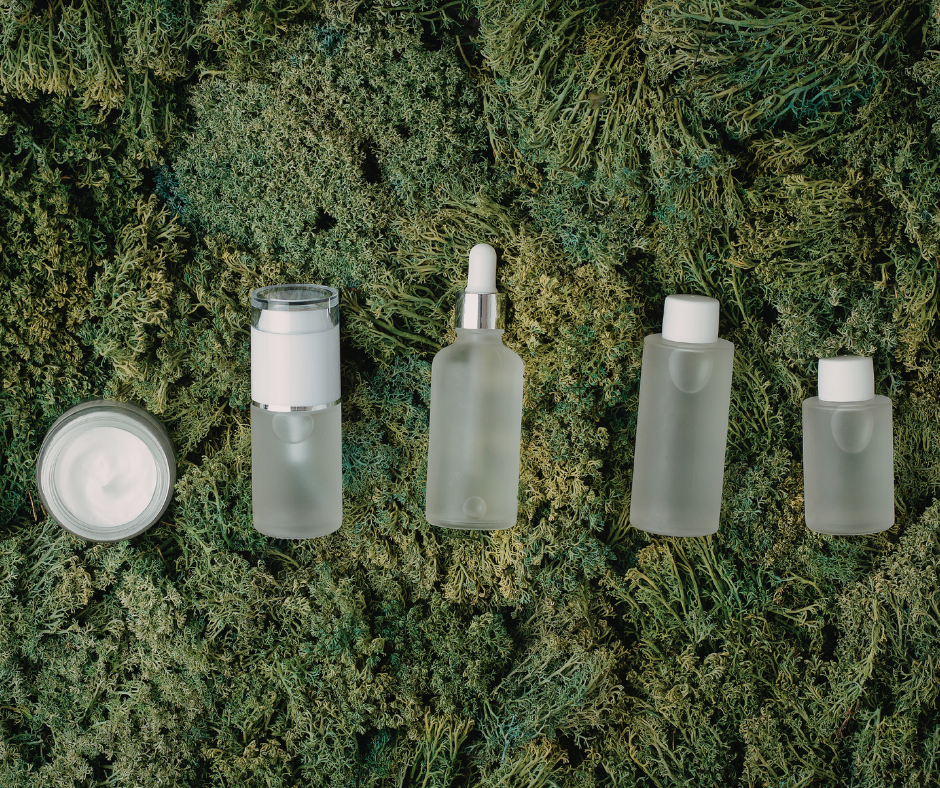
There’s wisdom in “less is more”; most skin responds better to simple but effective routines using a few trusted products.
Without a guided strategy that you’ve discussed with your dermatologist, layering products like acids, retinoids, exfoliants, and actives can cause irritation, disrupt the skin’s barrier, and even bring on post-inflammatory hyperpigmentation — especially in melanin-rich skin. Your skin isn’t impressed by complexity; it responds to balance.
Talk to your dermatologist about the best combination of products to bring out the best in your skin.
4. “Natural” isn’t necessarily safer
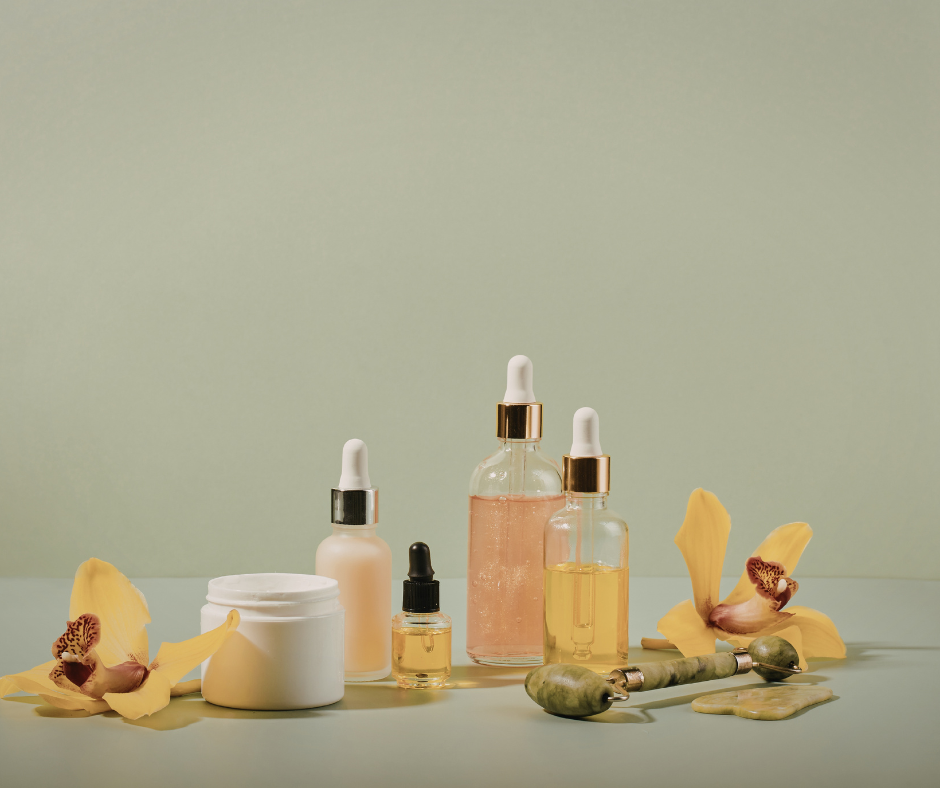
Educate yourself and understand what labels mean. While botanical ingredients, for instance, can be beneficial, they can also be irritating, allergenic, or even phototoxic. Ingredients matter, but formulation matters more: 5% niacinamide in a well-designed and clinically tested product, for instance, behaves differently from niacinamide thrown into a trendy serum.
Dermatology is not anti-nature; it’s pro-evidence — so the source of an ingredient matters less than how it behaves on human skin. It’s why we trust the products we recommend, and why we make those recommendations based on every patient’s unique skin type and condition.
5. Not everything is instant
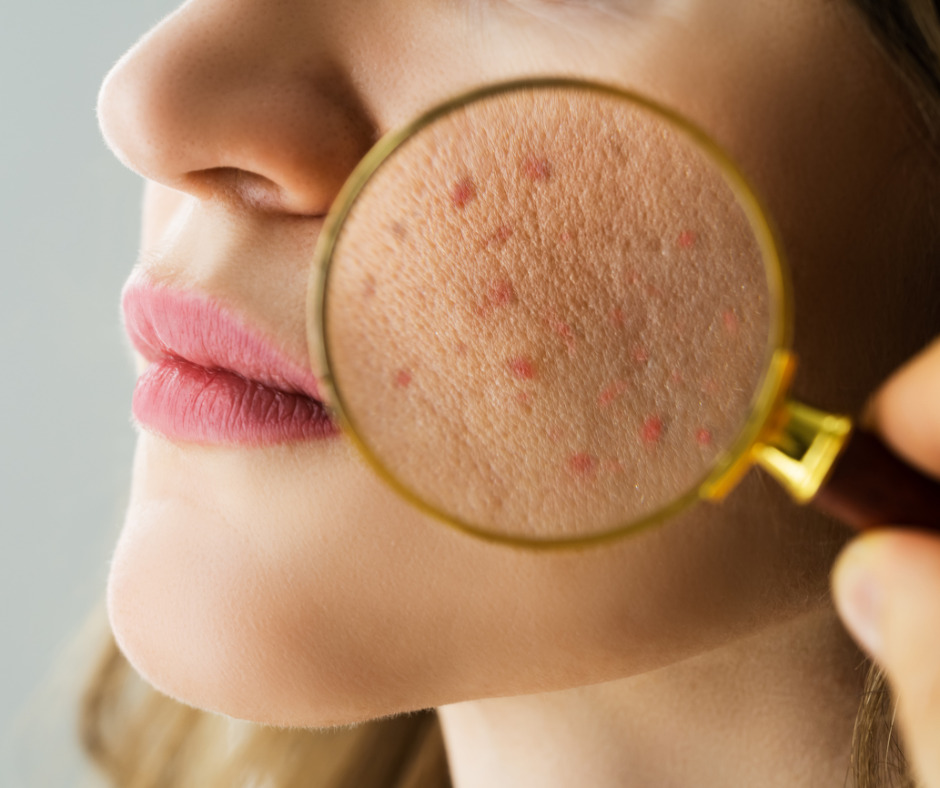
Some skin conditions — like acne or hyperpigmentation — are tough and stubborn; treating them requires precision and yes, time. While it can be really hard to live with your skin while it’s going through the healing process, patience is your friend.
The dark marks left behind from acne, shaving, inflammation, sun exposure, or pigmentation in darker skin tones often requires:
Strict photoprotection
Targeted topical therapy and
Avoidance of unnecessary irritation
Real change takes weeks, sometimes months. If it works overnight, it’s probably not progress; rather, it can contribute to barrier damage. Bottom line? There are no overnight solutions, but there are predictable, evidence-based pathways.
6. Trends change; skin biology does not
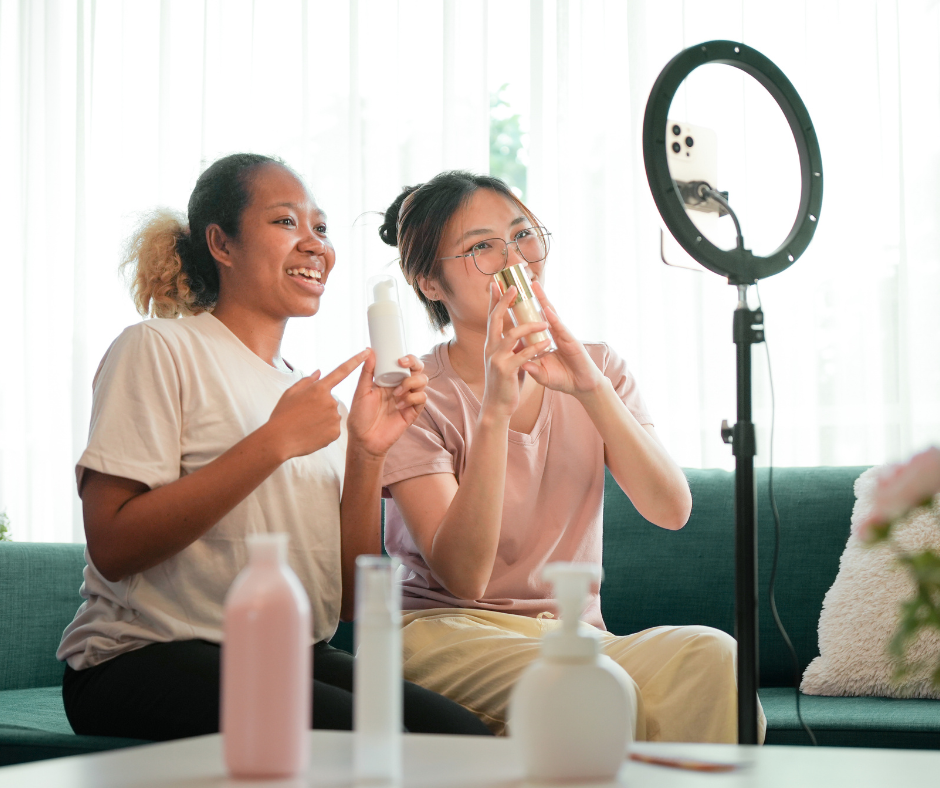
Every month, there’s some new skin trend on on SkinTok, even though the physiology of the epidermis remains the same.
The core principles we’ve been preaching for the last 100 issues of our newsletter — sun protection, gentle cleansing, appropriate moisturising — have remained foundational. So the next time you think about ice rolling or using animal fat as a moisturiser, remember that trends may be fun, but they rarely replace fundamentals.
7. Caribbean climate matters

One of the reasons we first decided to do this newsletter is that there was a real absence of available advice for Caribbean skin. Skincare approaches that work in temperate environments do not always translate to humid climates like ours, where heat, sweat, friction, environmental factors and UV intensity affect how skin conditions manifest themselves, e.g.:
Dermatology is definitely not one-size-fits-all; where we live shapes how our skin behaves.
8. Prevention is better than cure

It is easier to prevent pigmentation than to erase it, simpler to protect collagen than to rebuild it, and less challenging to maintain barrier function than to repair it.
Preventive care — like being vigilant about sunscreen — may feel less dramatic, but it’s definitely more impactful in the long term.
9. Skin reflects systems

Dermatology is not isolated from overall health. In fact, the skin is often the first place that symptoms of disease show up. Skin health is inextricably linked to other things, including hormones, stress, sleep quality and nutrition.
If you want glowing skin, you’ve got to pay attention to your health in a holistic, well-rounded way — which is why we introduced The Greenhouse at Serpentine, to offer you new pathways to good health with personalised guidance for your physical, mental, and emotional well-being.
10. Evidence builds trust

After 100 issues, perhaps the most enduring lesson is this: skin is a sensitive topic. It impacts our identity, confidence, and how we move through the world, which is precisely why we feel so passionately about supporting the work we do with scientific facts.
The practice of evidence-based dermatology is about responsibility. We know you want so much more than clear skin; you want clarity — so in order to help you better understand your skin, we’ll continue our commitment to educating and empowering you through this space.